Skip to content
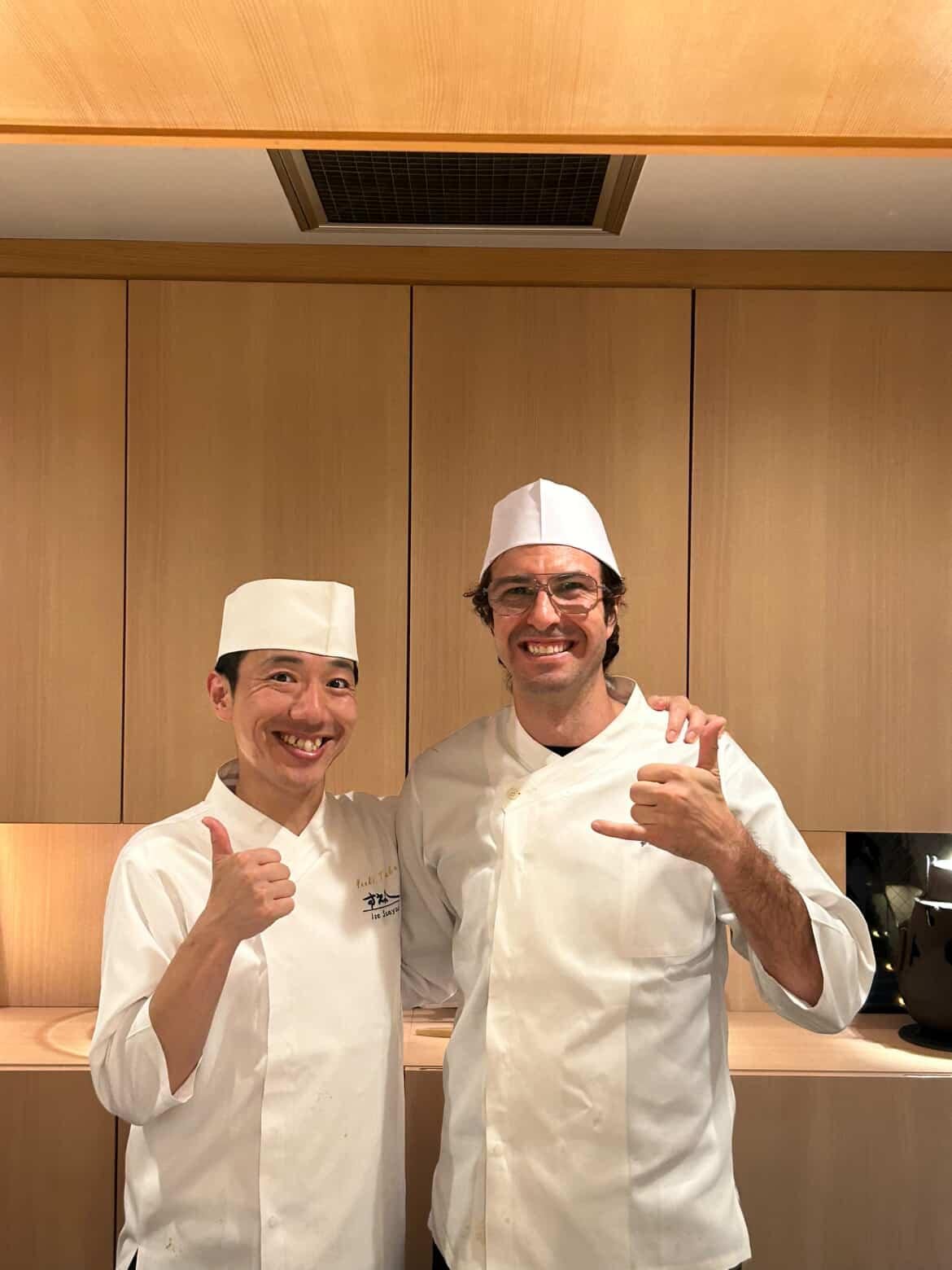
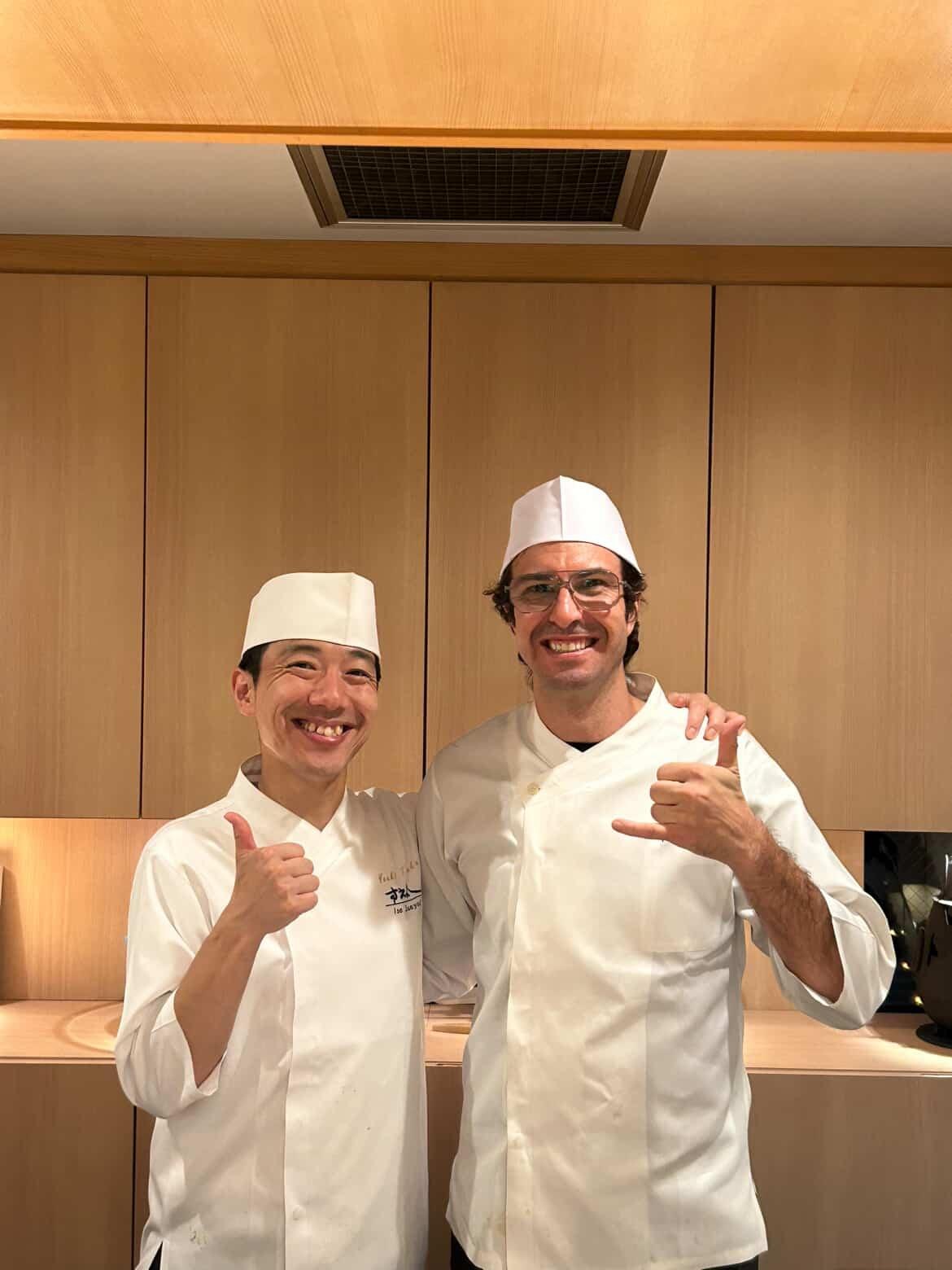
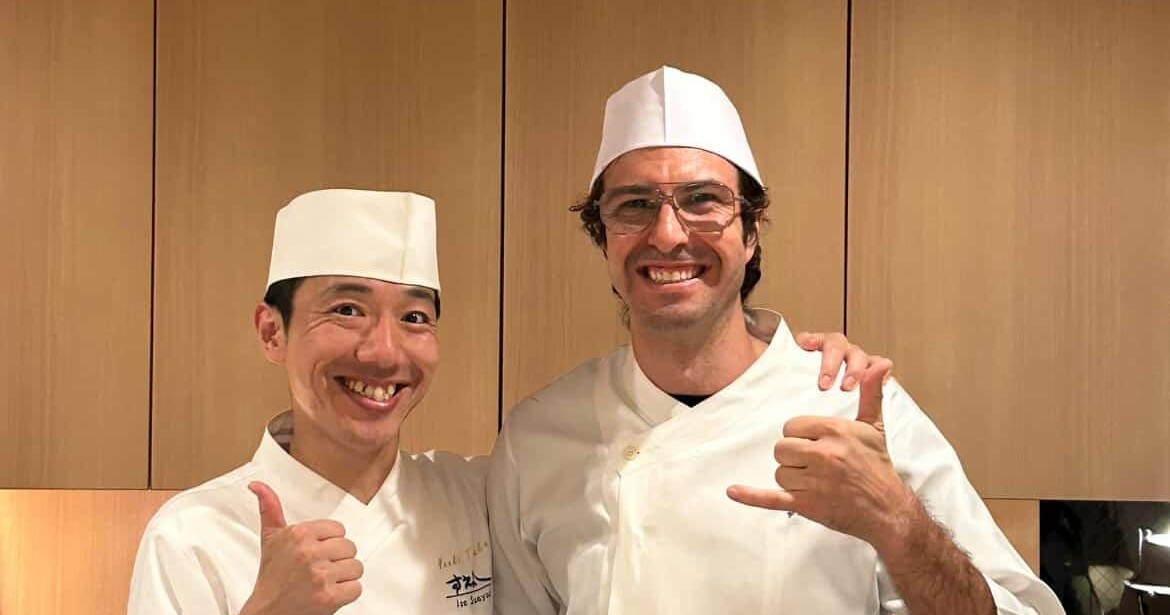
Chef Elliot with Chef Yuki Tanaka in chef whites at Ise Sueyoshi

Japanese · Nishi-Azabu, Tokyo

Ise Sueyoshi

with Chef Yuki Tanaka

Kaiseki with Chef Yuki Tanaka

Ise Sueyoshi is Chef Yuki Tanaka's ten-seat kaiseki counter in Nishi-Azabu, Tokyo, built entirely on the produce of his home prefecture, Mie. He visits the growers and fishermen himself and works by a phrase he calls the circulation of the heart: carrying the producers' intent to the guest, and the guest's thanks back to the producers. The kitchen keeps its own vegan and gluten-free courses, which is where Chef Elliot's plant-based kaiseki begins.

Visit Ise Sueyoshi →
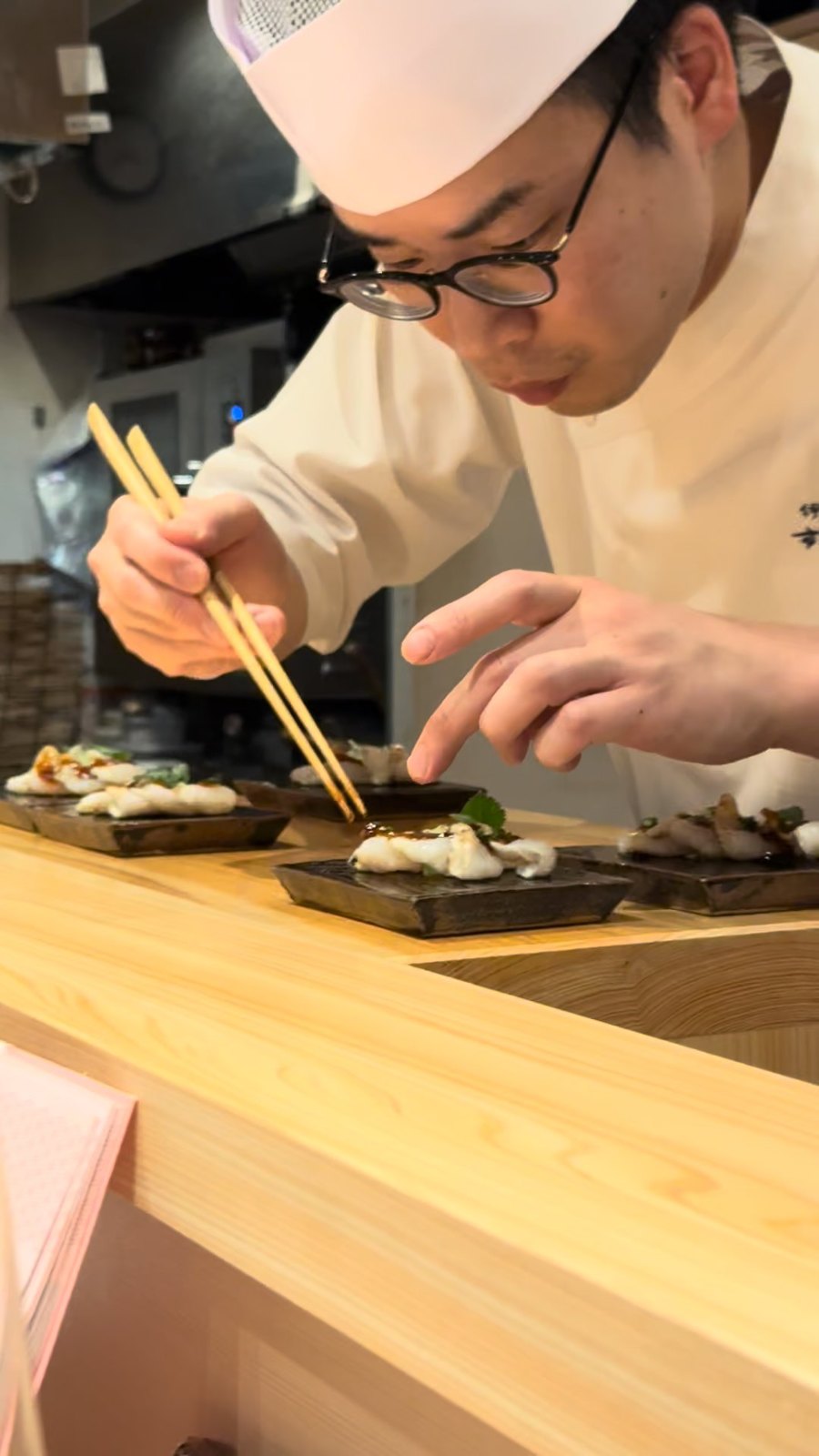
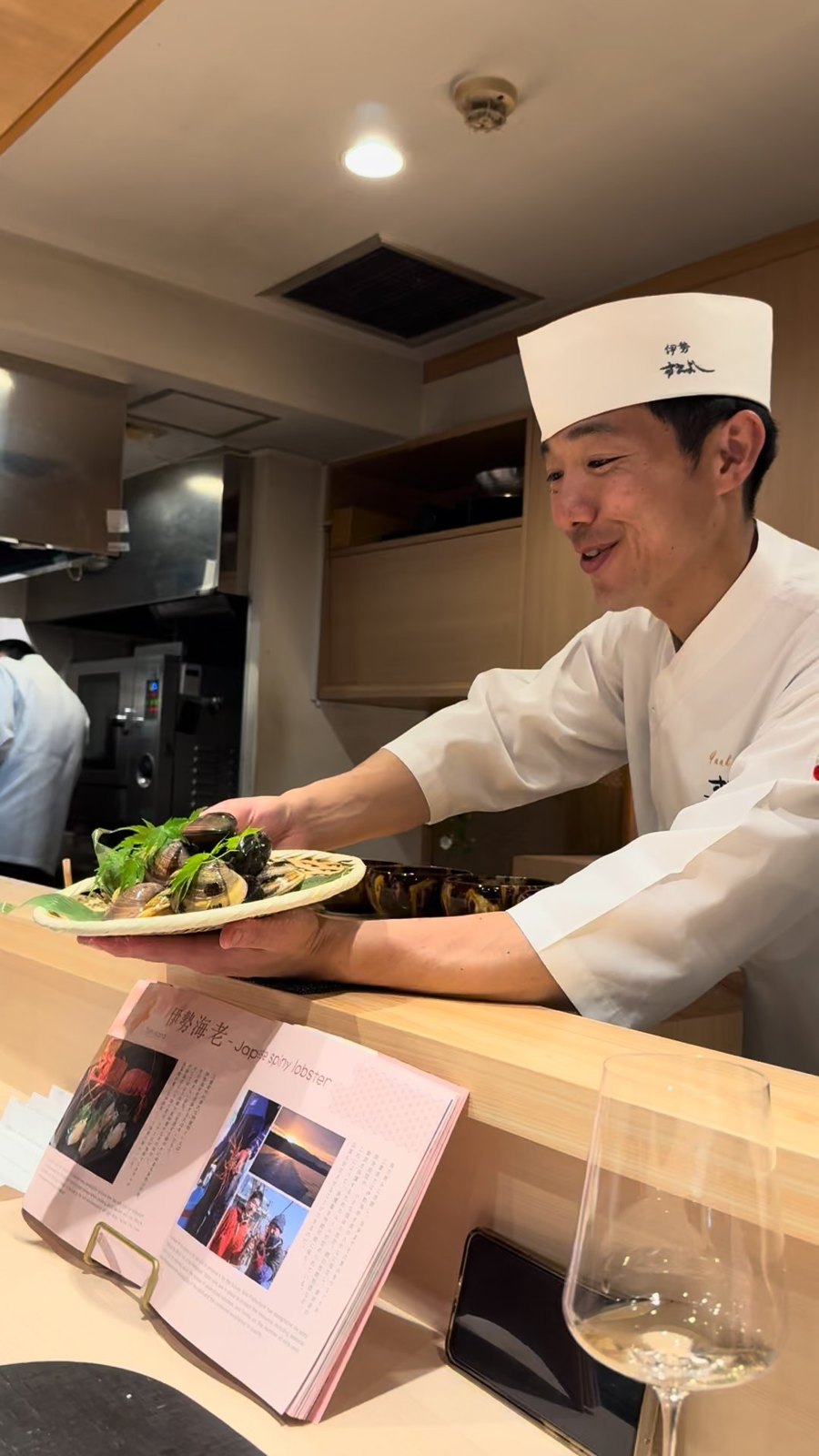
Chef Yuki Tanaka at the counter
Chef Yuki plating at the pass
At the counter, Ise Sueyoshi
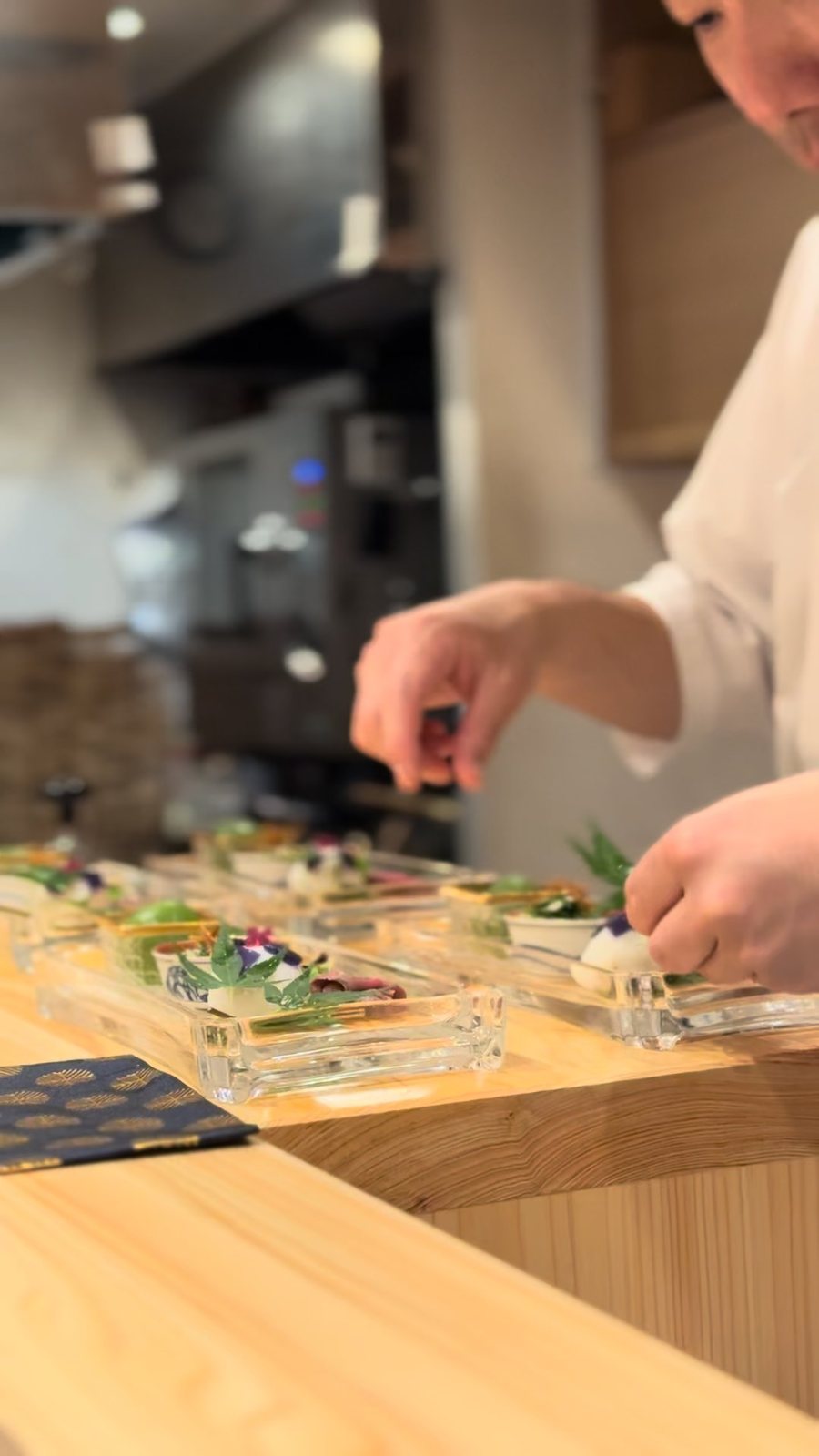
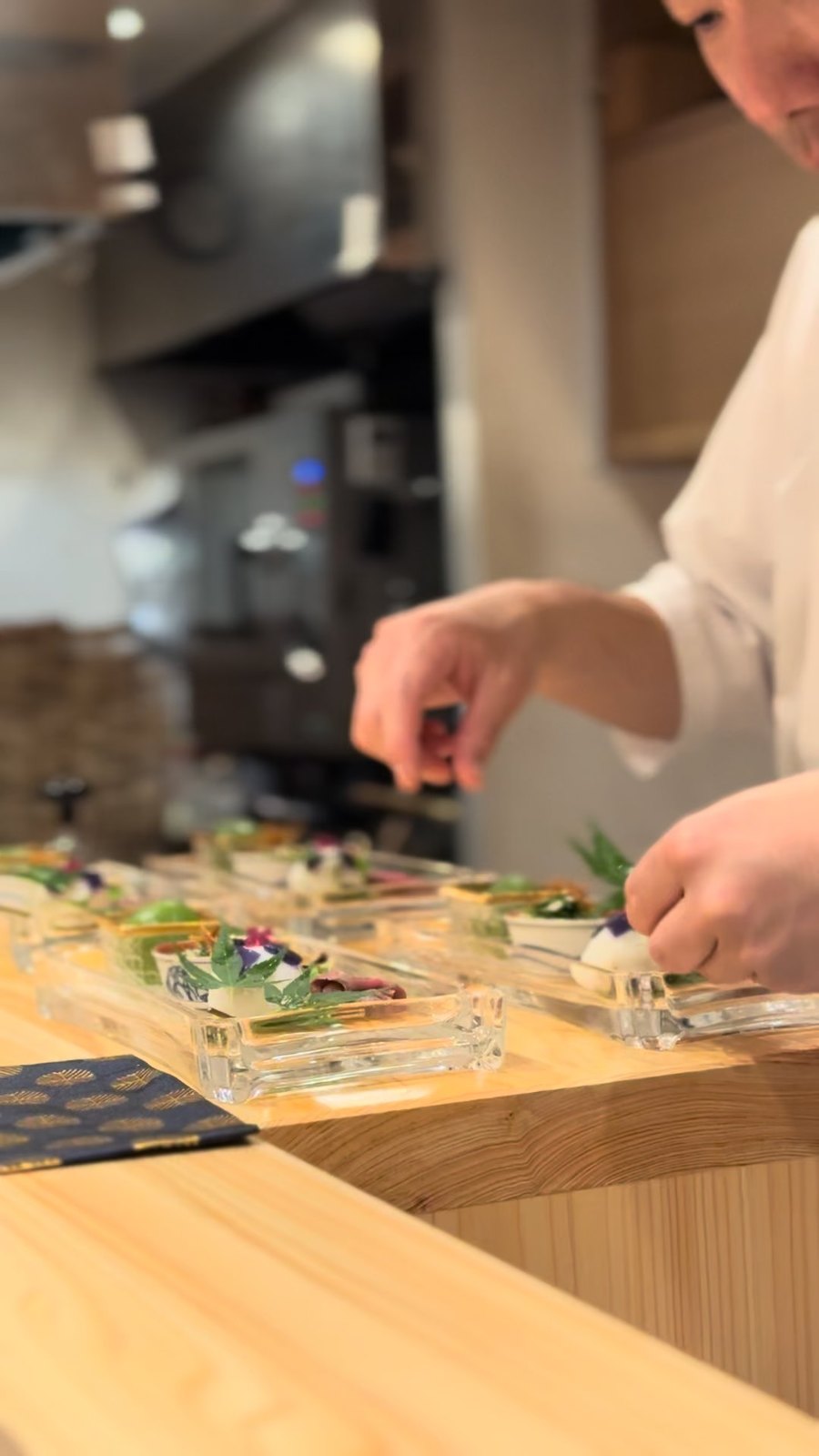
The chef's hands at the pass
At the counter, Ise Sueyoshi

The counter

Ten seats in Nishi-Azabu

Ise Sueyoshi is a ten-seat kappo counter in Nishi-Azabu, Tokyo, reservation only. Guests sit at the hinoki counter and watch each course made in front of them while Chef Yuki Tanaka explains it, in English when the table needs it.

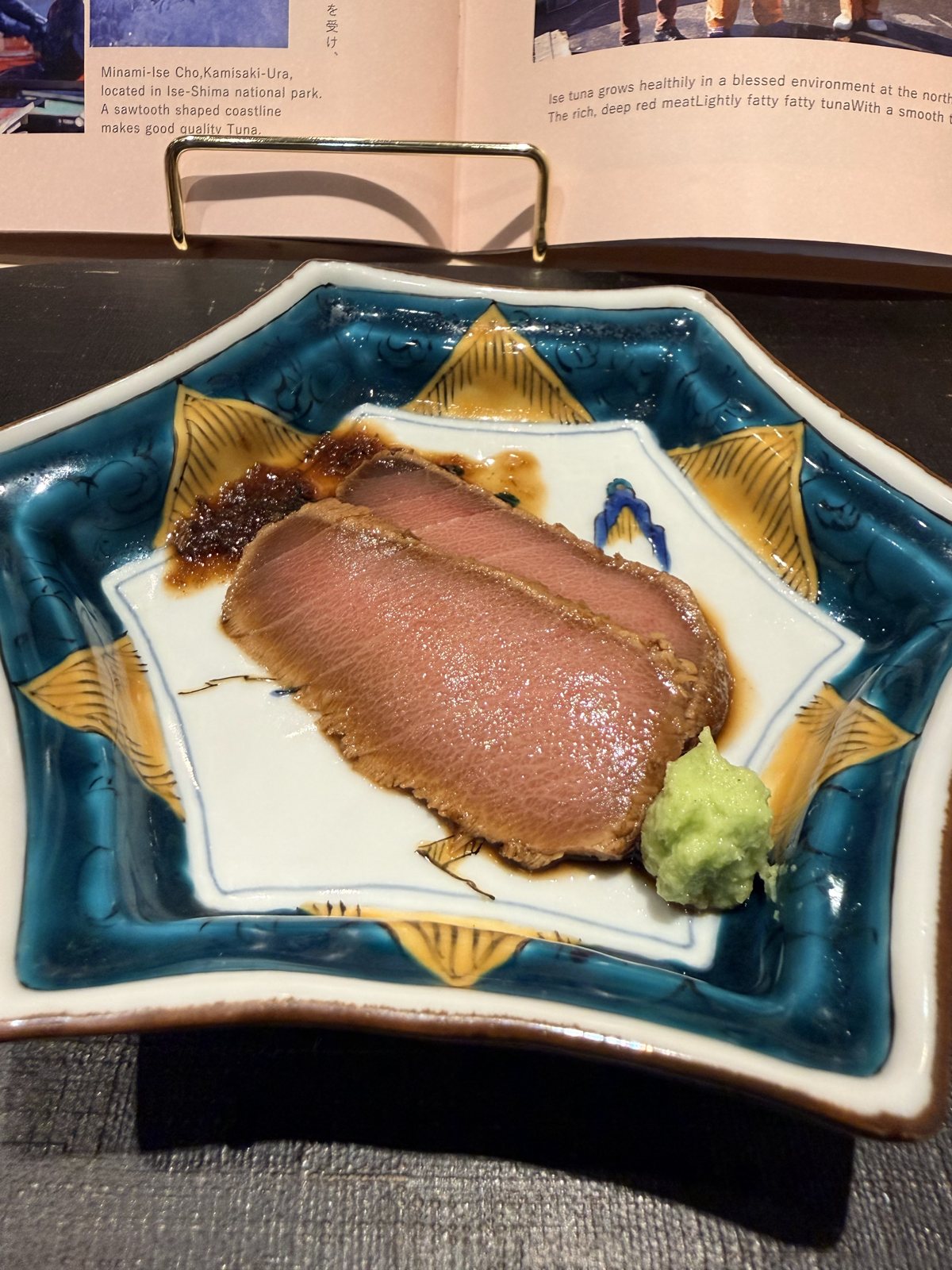
Seared Ise tuna with wasabi
Lobster tempura on the black plate
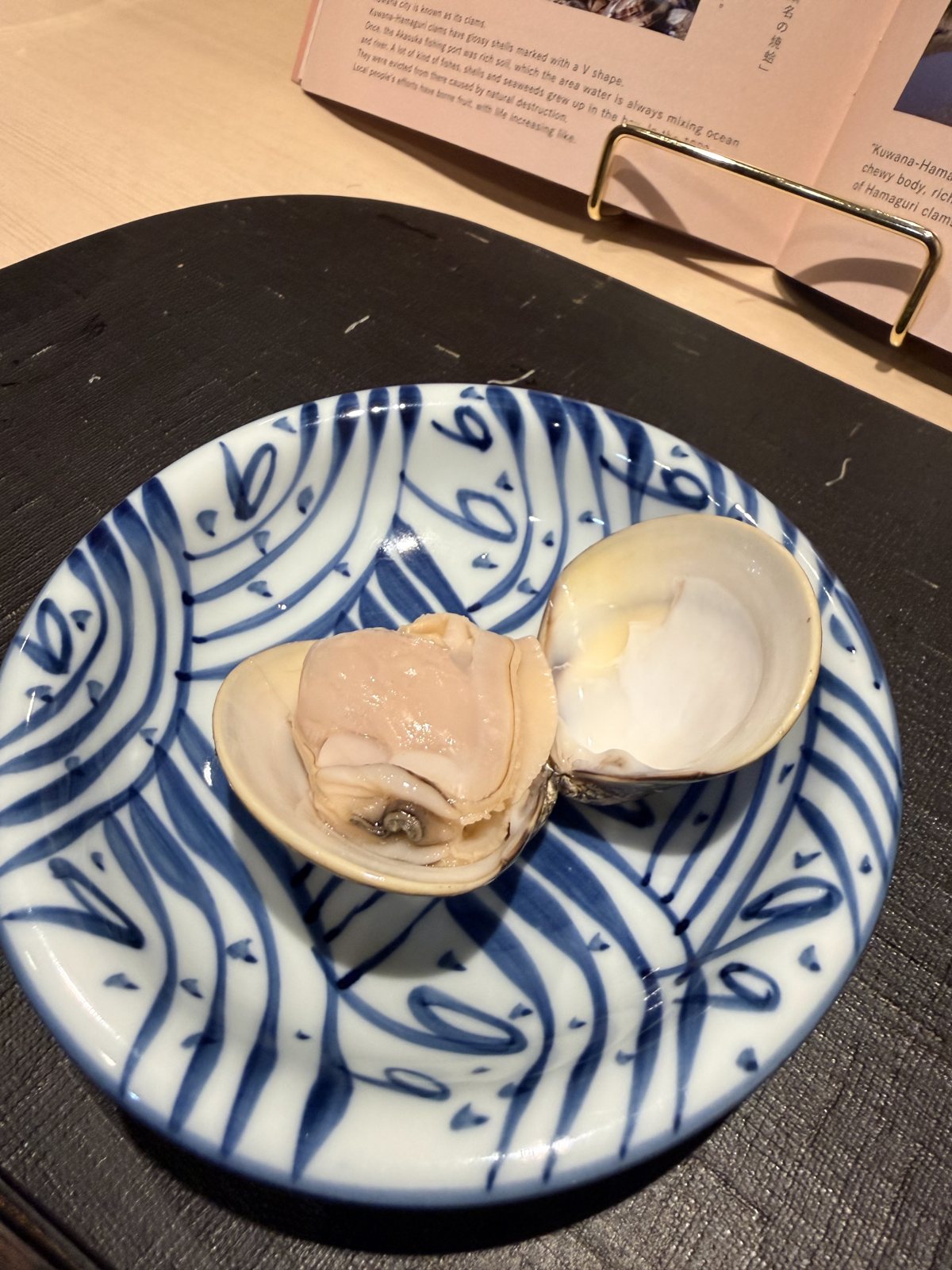
Steamed Kuwana hamaguri clam
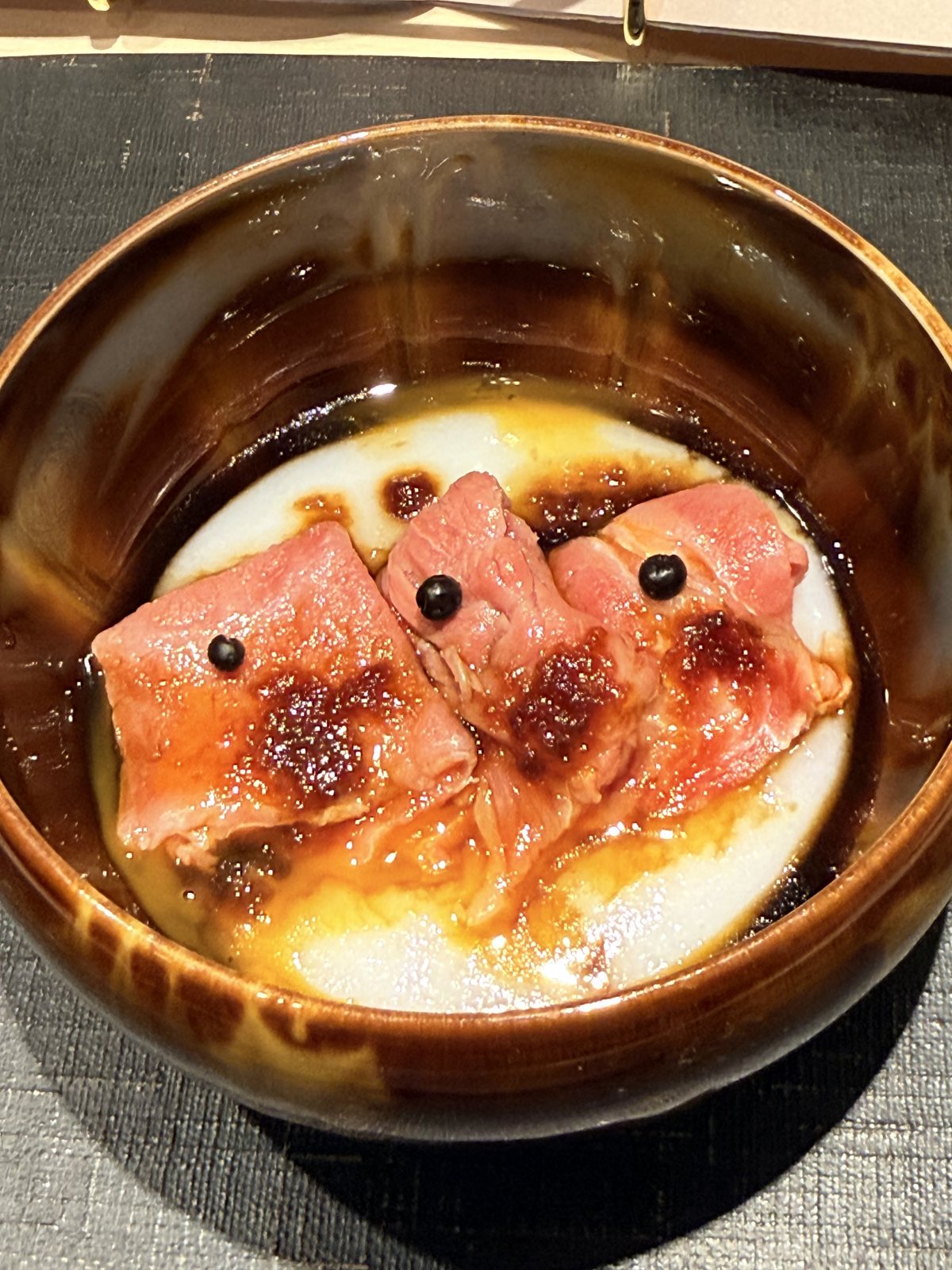
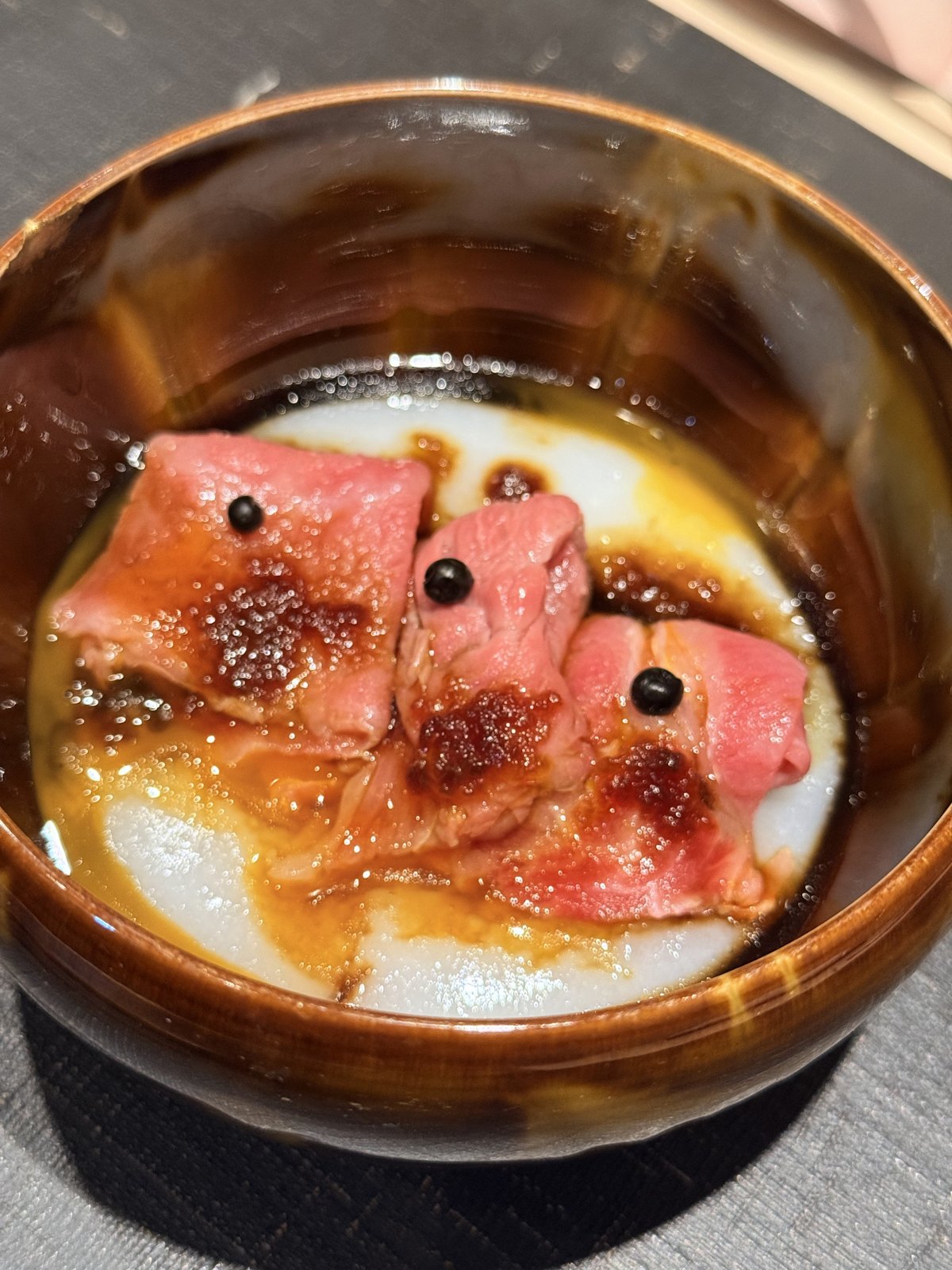
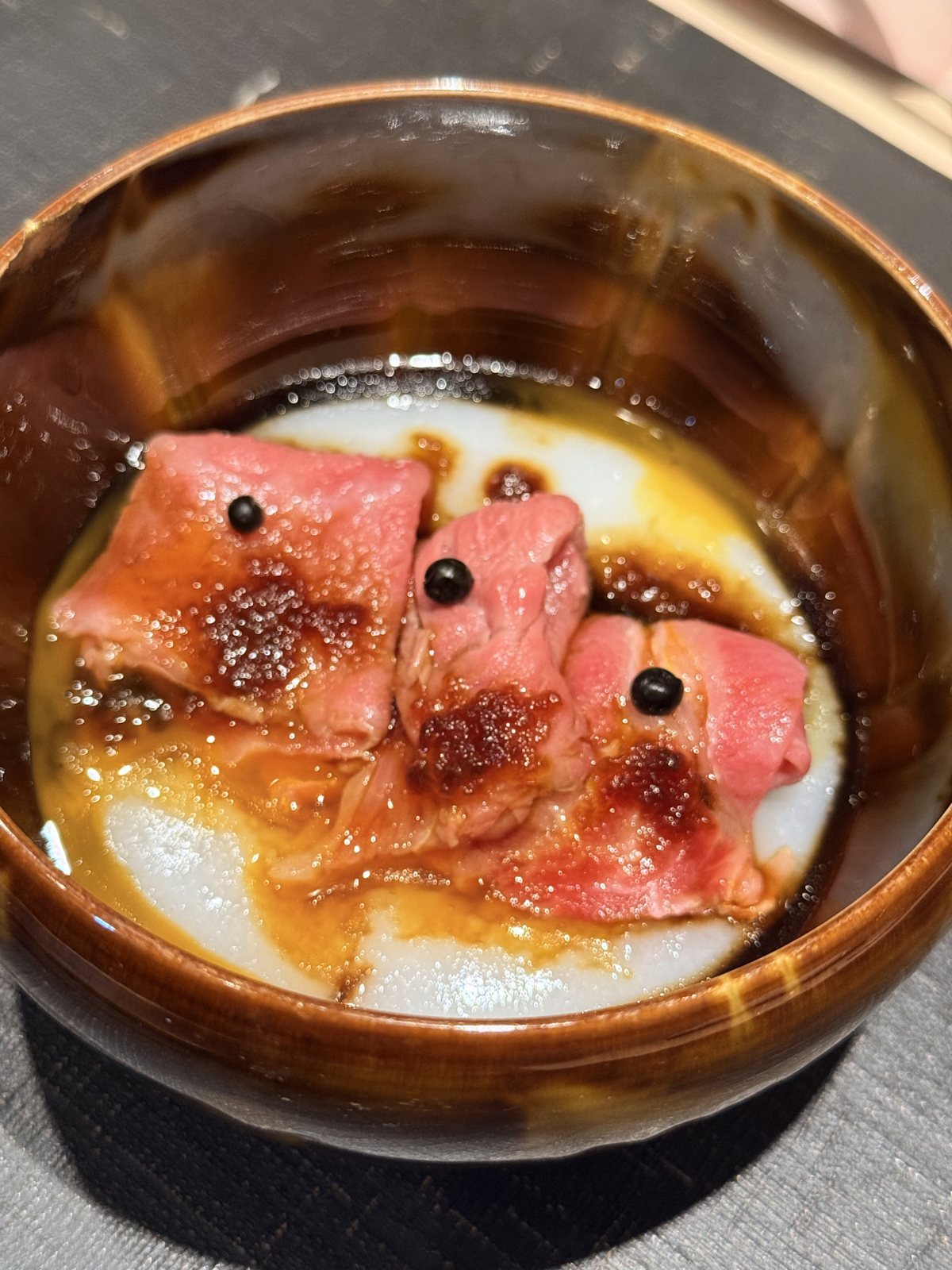
Wagyu in the brown bowl
From the producers' book on the counter, and the plates they become

Mie Prefecture

One region, told in food

Every ingredient comes from Chef Tanaka's home prefecture of Mie: Ise tuna, Kuwana hard clams, abalone from the ama divers of Shima, Iga rice, kabuse tea. A book on the counter introduces each producer by name, and the card asks guests to send their impressions back to them: the circulation of hearts.

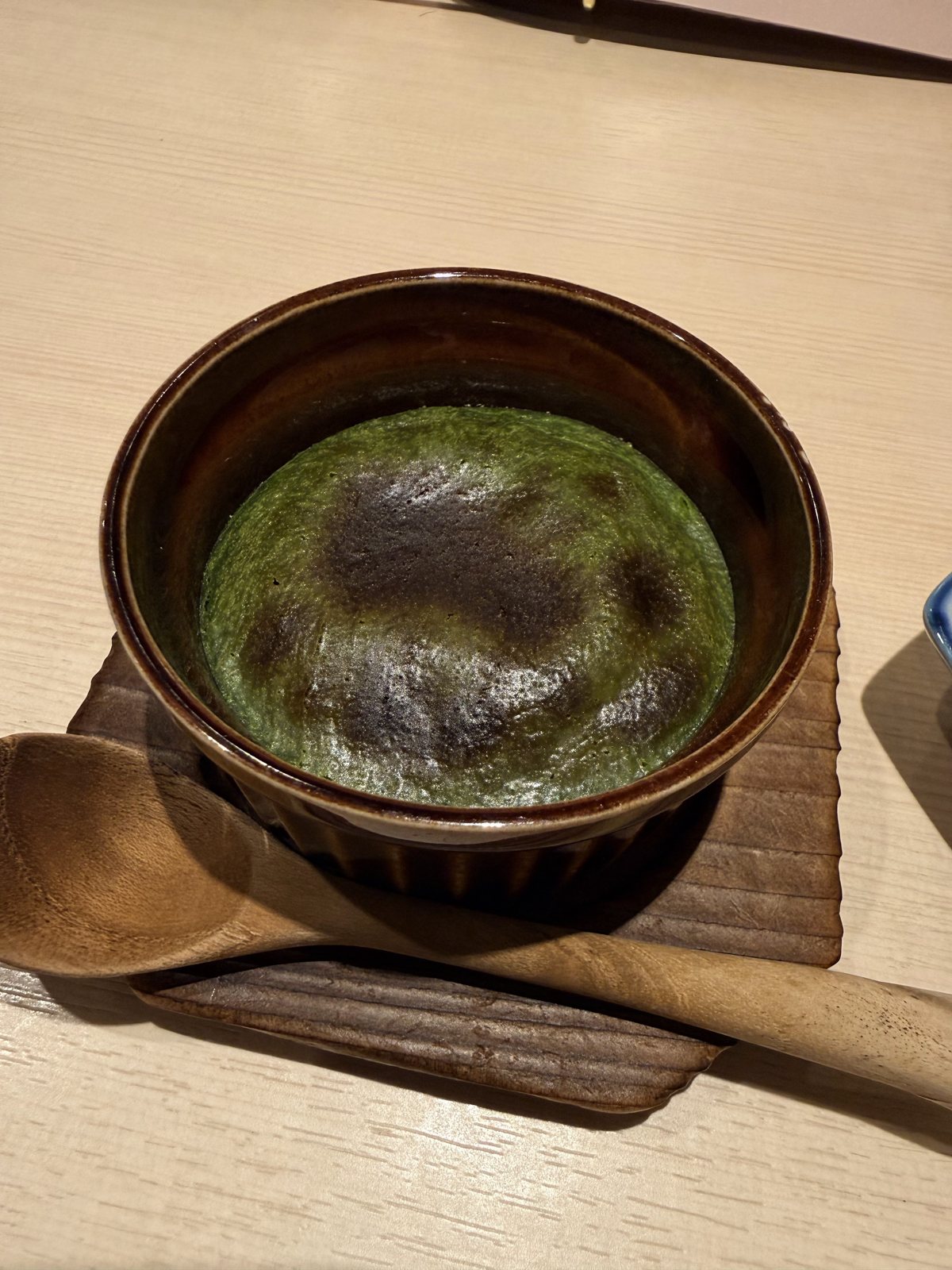
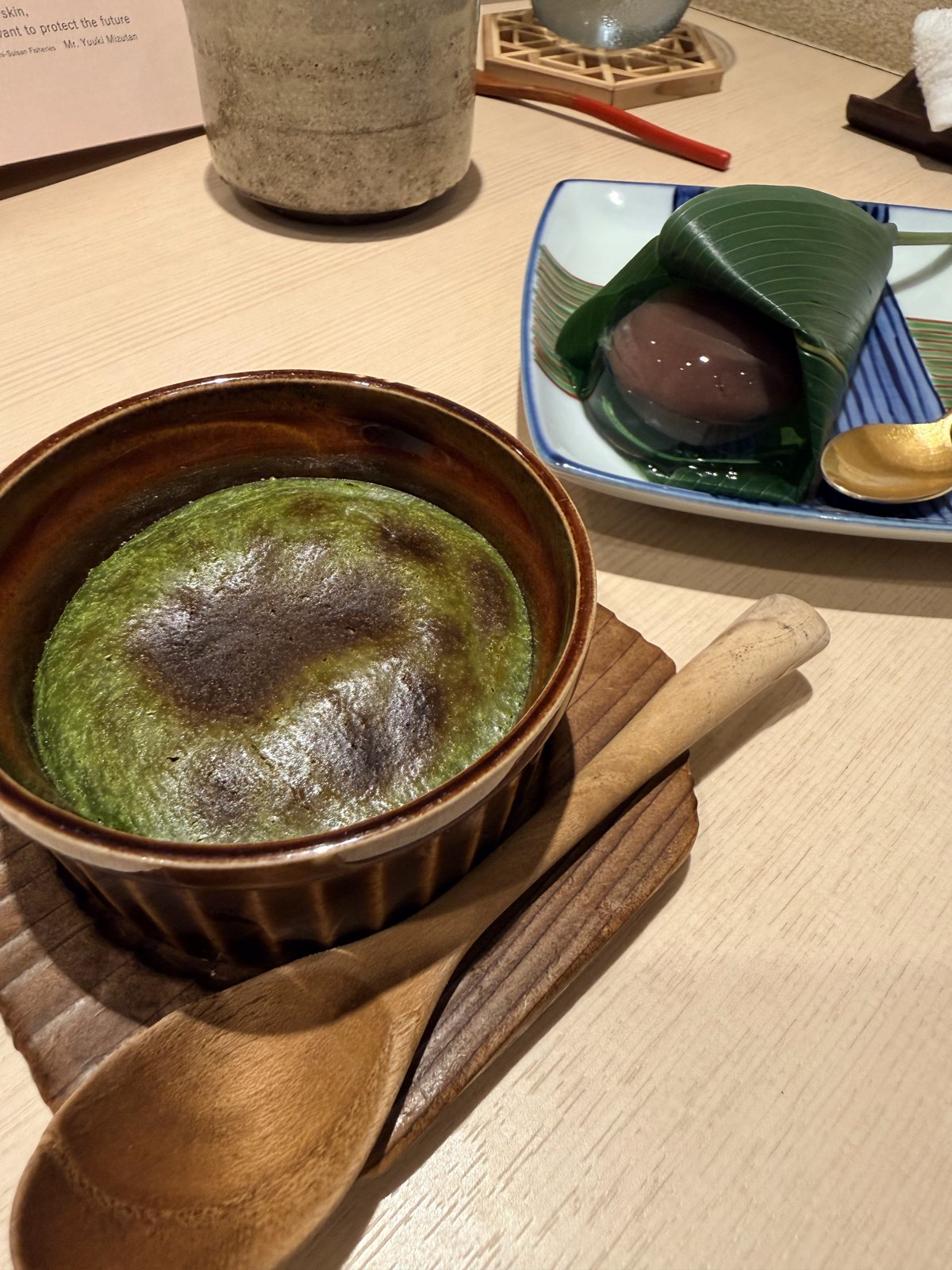
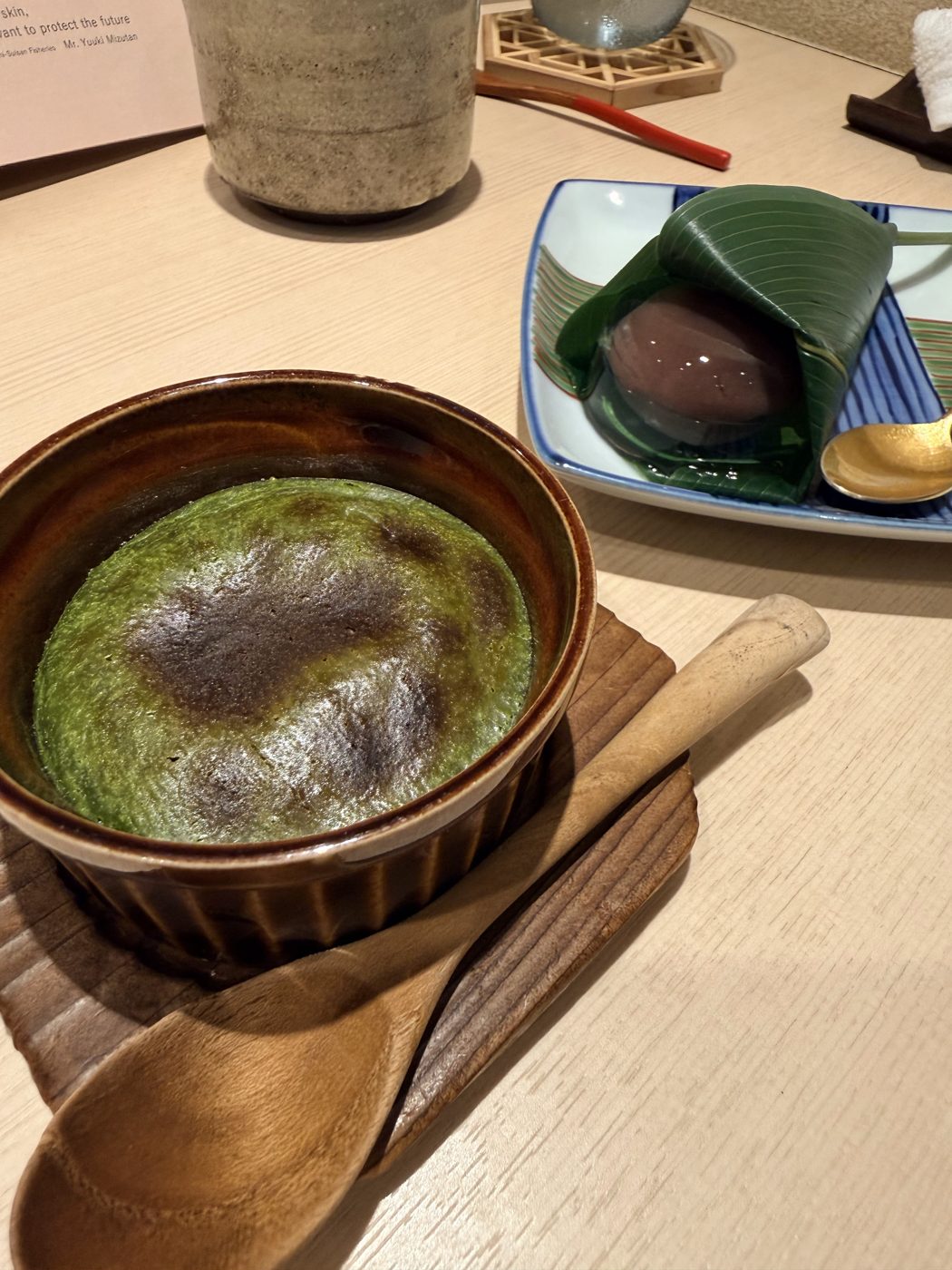
Matcha custard
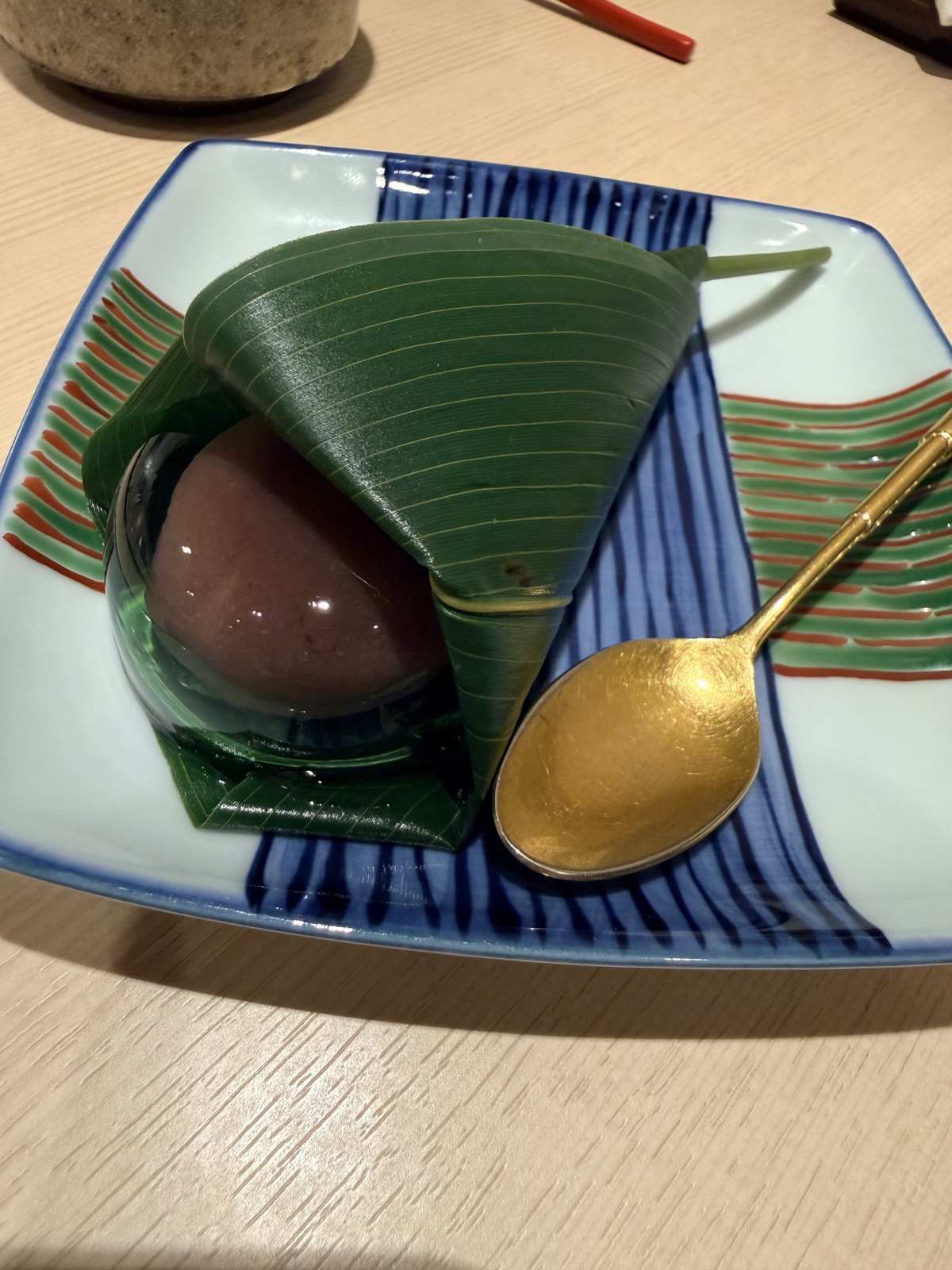
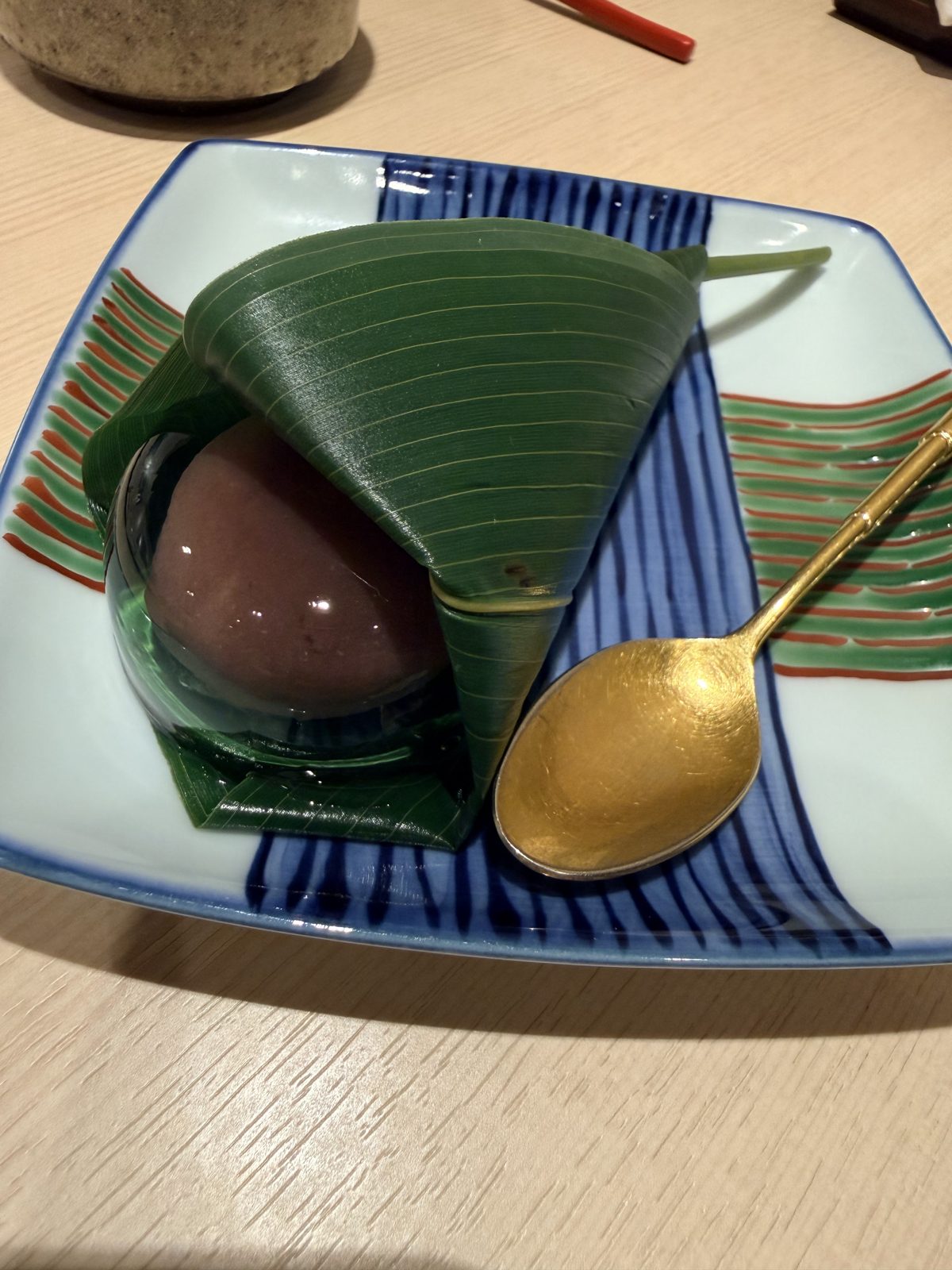
Mizu-manju
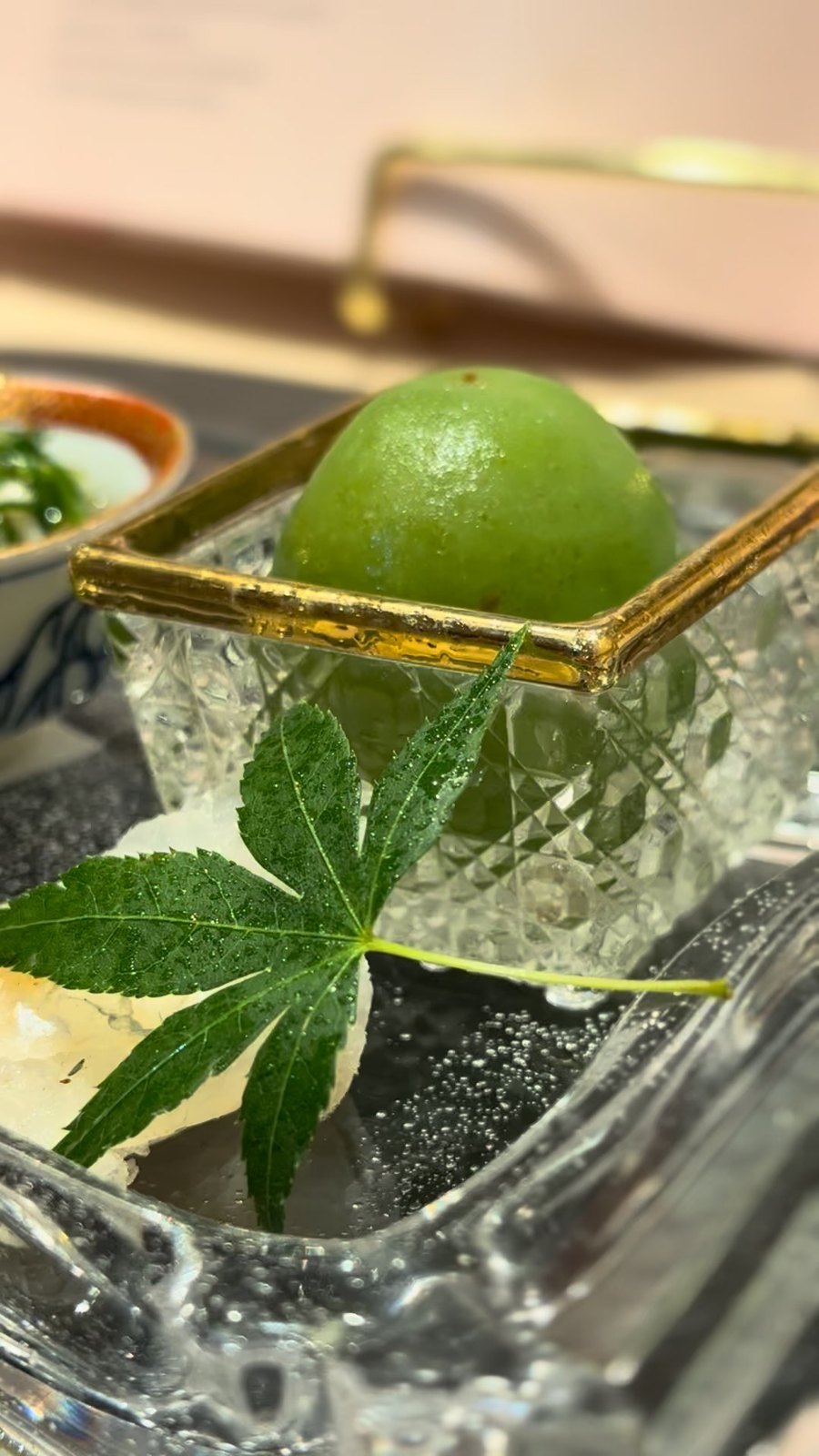
Plum on ice, a second angle
Matcha, the second bowl
Sakizuke, mukozuke and wanmono at Ise Sueyoshi

The courses

Kaiseki, in order

The omakase changes monthly with the season. It opens with a small cold bite, moves to the seasonal tray, the raw course, and a clear soup built on dashi, each dish shown before it is served.

Torched wagyu in the bowl
Wagyu, plated
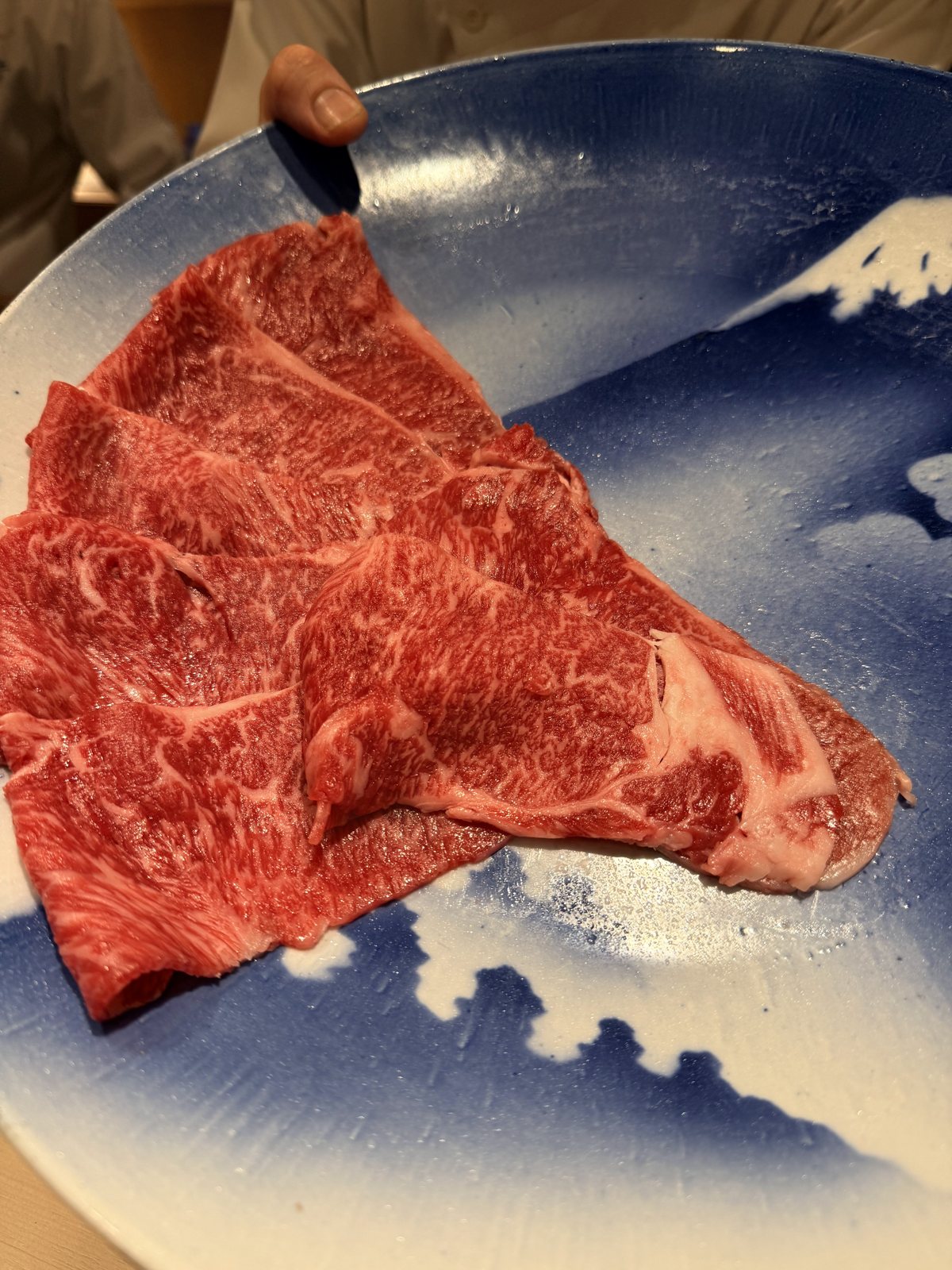
Raw wagyu on the blue plate
Tempura, fugu with ponzu, torched and raw wagyu

The grill and the main

Over the flame, then the meat

Yakimono over charcoal, a fried course, the vinegared course that resets the palate, then the main: wagyu torched over turnip in an amber bowl.

The lidded course and the sweets

The close

Fruit, tea and a sweet

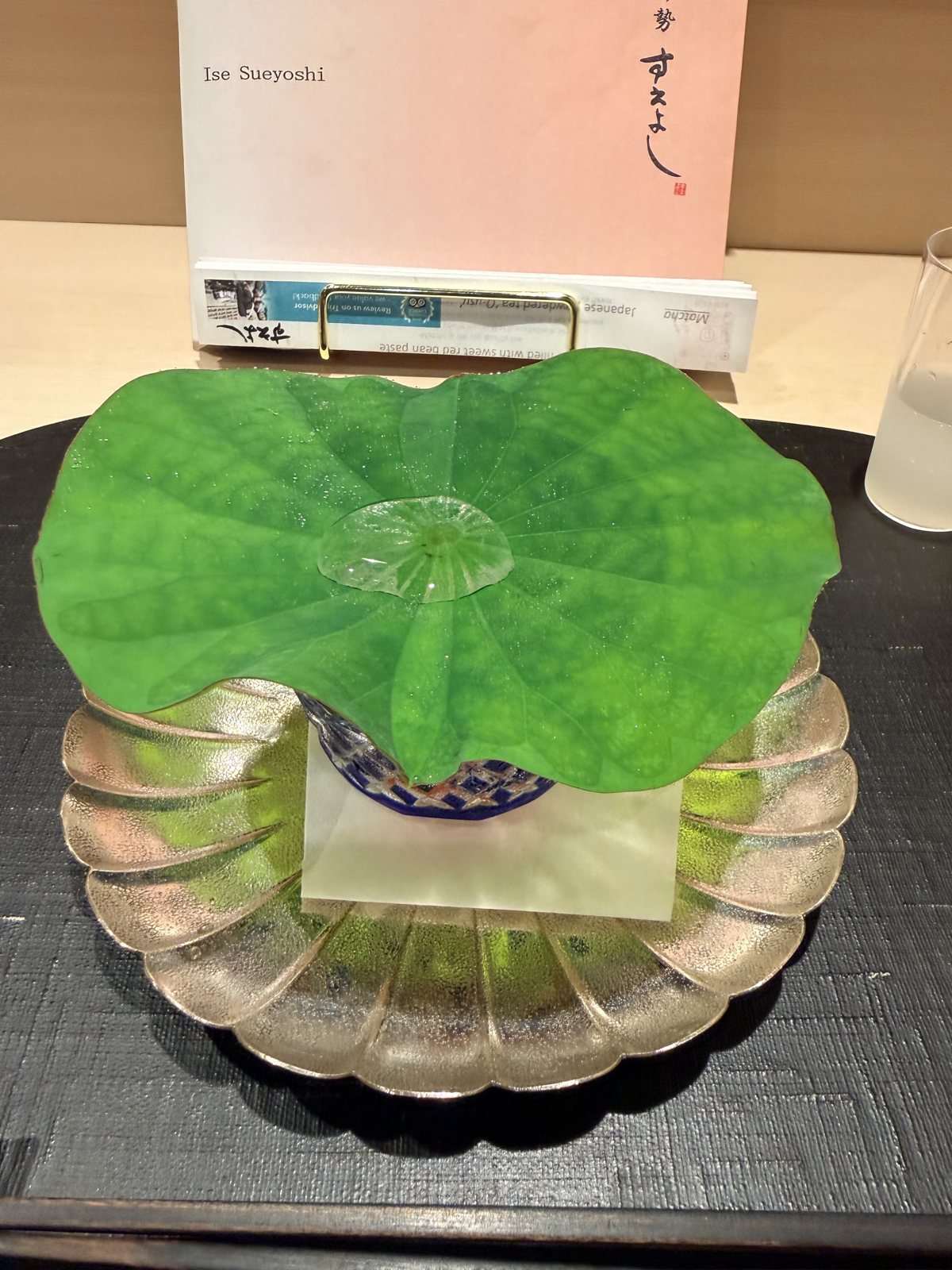
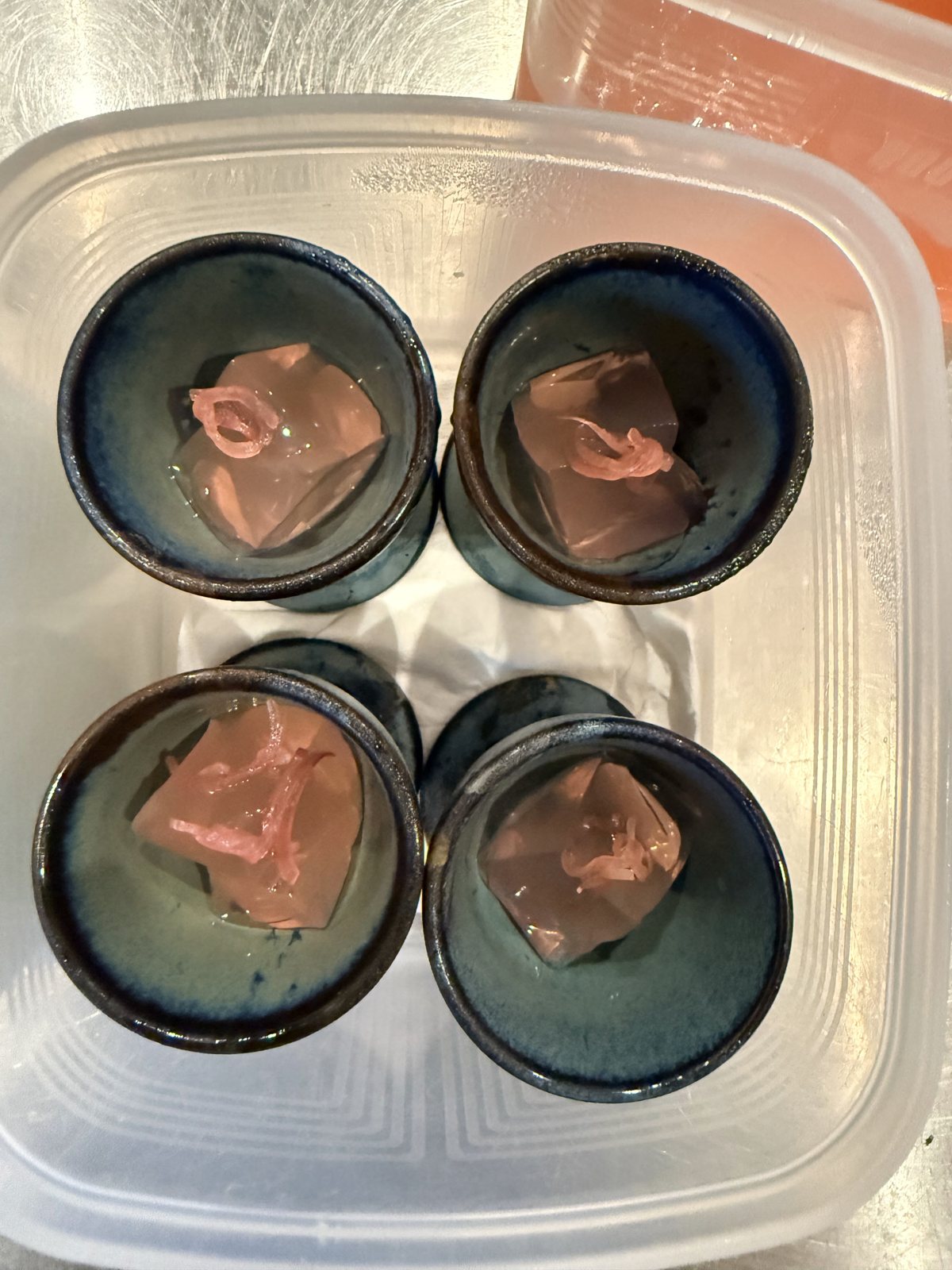
Kaiseki ends quietly. A lotus leaf lifts off a lidded course; the sweet is a baked matcha custard or a jelly in a ceramic cup, then a bowl of tea.

Chef Elliot with Chef Yuki Tanaka
Chef Elliot and Chef Yuki, thumbs up
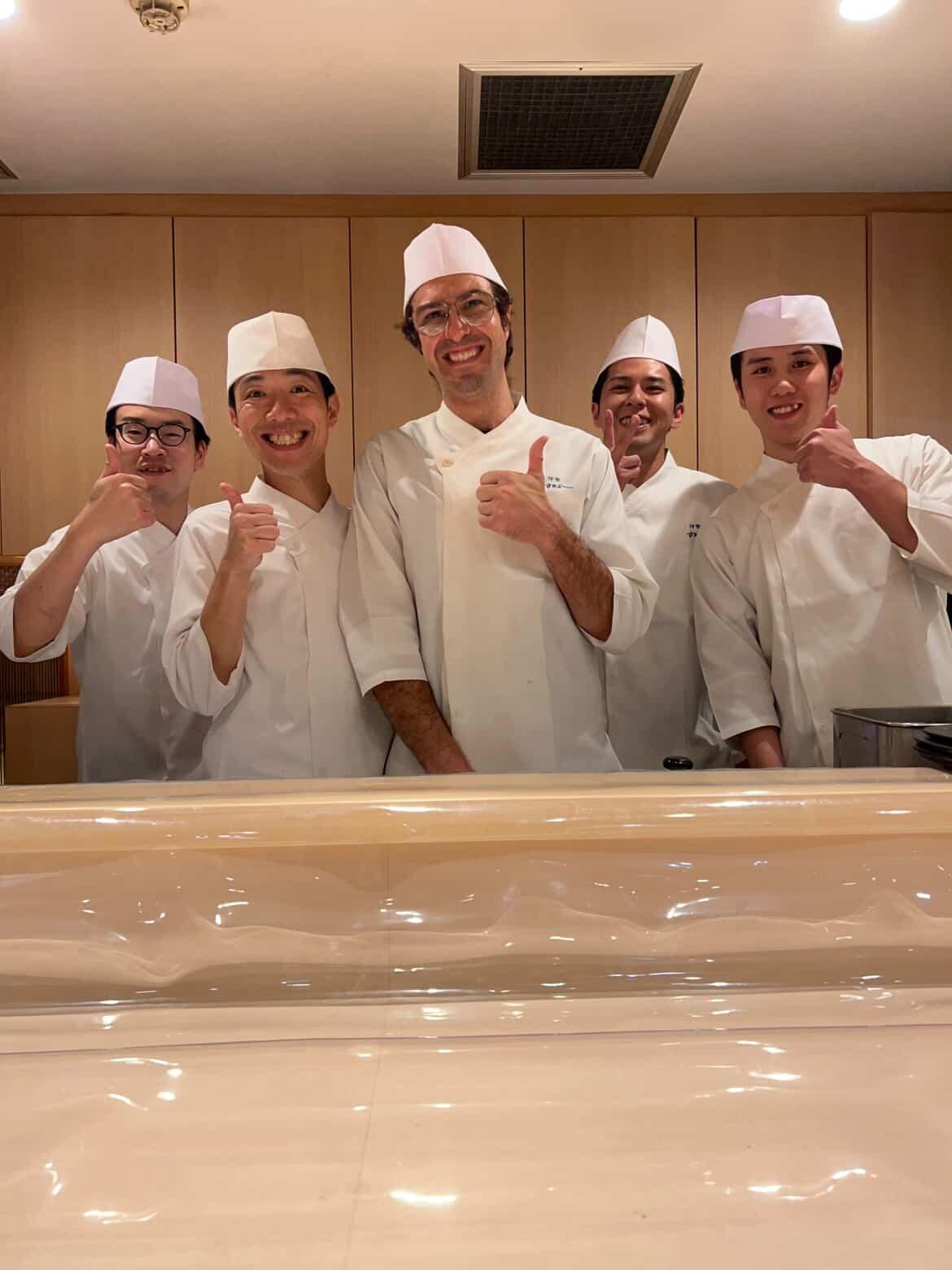
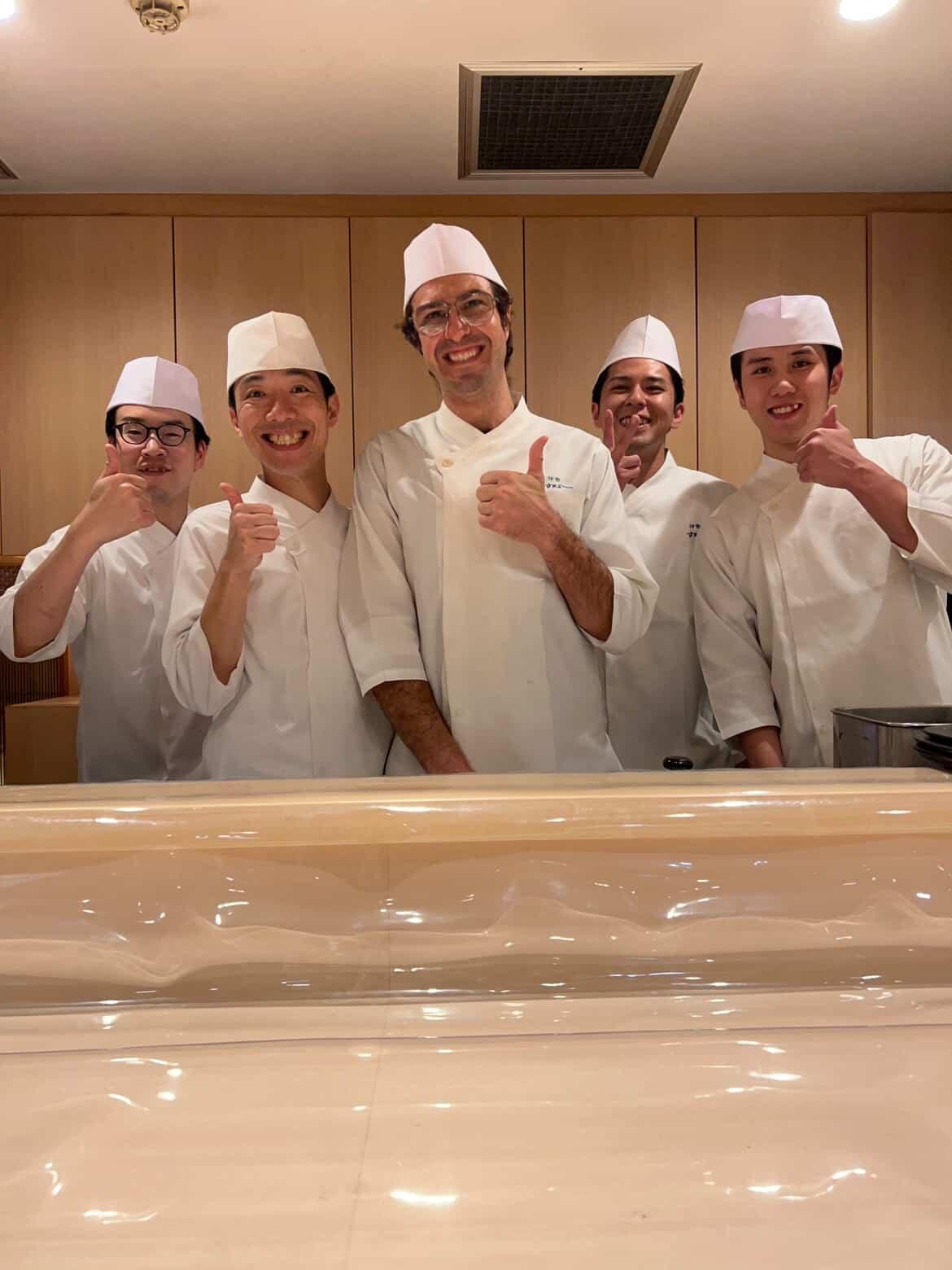
The kitchen team
Chef Elliot with the kitchen team
Chef Elliot with Chef Yuki Tanaka and the kitchen team

In the kitchen

Working with the team

Chef Elliot cooked in this kitchen with Chef Tanaka and the Ise Sueyoshi team. The restaurant keeps its own vegan and gluten-free courses, which is where his plant-based kaiseki begins.

The card on the counter

The courses, in Ise Sueyoshi's own words

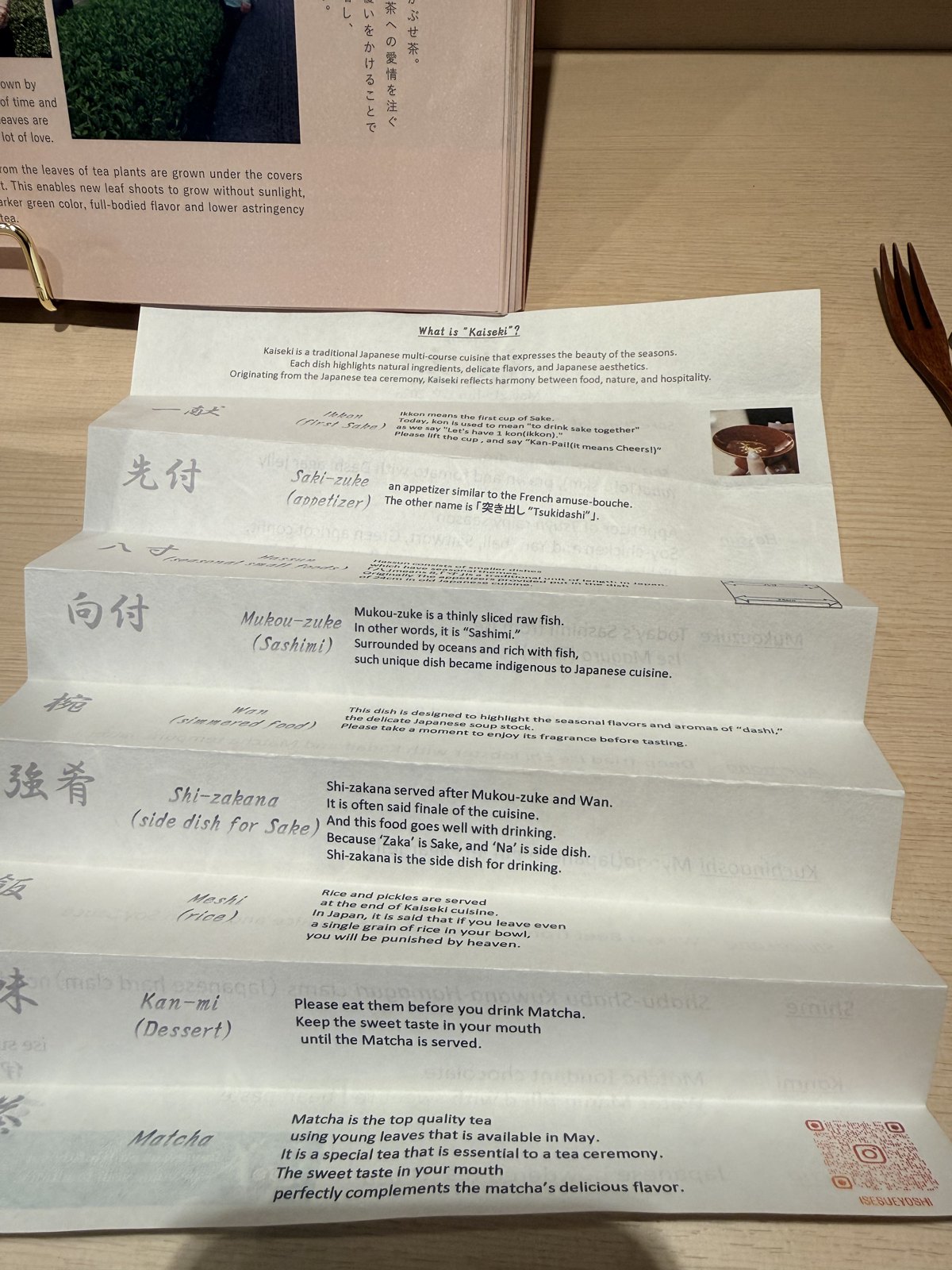
The accordion-folded course card at Ise Sueyoshi, explaining each kaiseki course in English

“Kaiseki is a traditional Japanese multi-course cuisine that expresses the beauty of the seasons. Each dish highlights natural ingredients, delicate flavors, and Japanese aesthetics. Originating from the Japanese tea ceremony, Kaiseki reflects harmony between food, nature, and hospitality.”

From the card at Ise Sueyoshi

Omakase means "I leave it to you." There is no ordering at Ise Sueyoshi. Chef Yuki Tanaka writes the menu from what Mie Prefecture gives him that week, and the guest trusts him with the whole evening. A folded card on the counter names each course and explains it; this is that card.

What stayed with Chef Elliot: the same seasonal menu is composed three ways, a vegan version, a gluten-free version and the meat-and-seafood version, course for course, served side by side at the same counter. That is the discipline Roots Alchemy cooks by.
  1. 01

    Ikkon (first sake) 一献

    Ikkon means the first cup of sake. Today, kon is used to mean "to drink sake together", as we say "Let's have 1 kon (ikkon)." Please lift the cup, and say "Kan-pai!" (it means Cheers!)

  2. 02

    Saki-zuke (appetizer) 先付

    An appetizer similar to the French amuse-bouche. The other name is "Tsukidashi".

  3. 03

    Hassun (seasonal small foods) 八寸

    Hassun consists of smaller dishes which have seasonal themes. "Hachi" means 8 and "sun" is a traditional unit of length: originally the appetizers were served on a tray of 24 cm in old Japanese cuisine.

  4. 04

    Mukou-zuke (sashimi) 向付

    Mukou-zuke is a thinly sliced raw fish. In other words, it is "Sashimi." Surrounded by oceans and rich with fish, such unique dish became indigenous to Japanese cuisine.

  5. 05

    Wan (simmered food) 椀

    This dish is designed to highlight the seasonal flavors and aromas of "dashi," the delicate Japanese soup stock. Please take a moment to enjoy its fragrance before tasting.

  6. 06

    Shi-zakana (side dish for sake) 強肴

    Shi-zakana is served after Mukou-zuke and Wan. It is often said to be the finale of the cuisine, and this food goes well with drinking: "zaka" is sake, and "na" is side dish. Shi-zakana is the side dish for drinking.

  7. 07

    Meshi (rice) 飯

    Rice and pickles are served at the end of kaiseki cuisine. In Japan, it is said that if you leave even a single grain of rice in your bowl, you will be punished by heaven.

  8. 08

    Kan-mi (dessert) 甘味

    Please eat them before you drink matcha. Keep the sweet taste in your mouth until the matcha is served.

  9. 09

    Matcha 抹茶

    Matcha is the top quality tea, using young leaves that are available in May. It is a special tea that is essential to a tea ceremony. The sweet taste in your mouth perfectly complements the matcha's delicious flavor.

From the producers of Mie

  • Kuwana hamaguri clams, Maruyoshi-Suisan
  • Abalone and sazae from the ama divers of Shima
  • Katsuobushi from Shima
  • Ise tuna from Kamisaki-ura
  • Iga rice
  • Kabuse tea from Yokkaichi
  • Iga beef
  • Winter turnip from Yokkaichi

The courses at Ise Sueyoshi

Chef Yuki Tanaka's own dishes, photographed at the counter. Names describe what is on the plate; the restaurant composes vegan and gluten-free versions of the same menu.

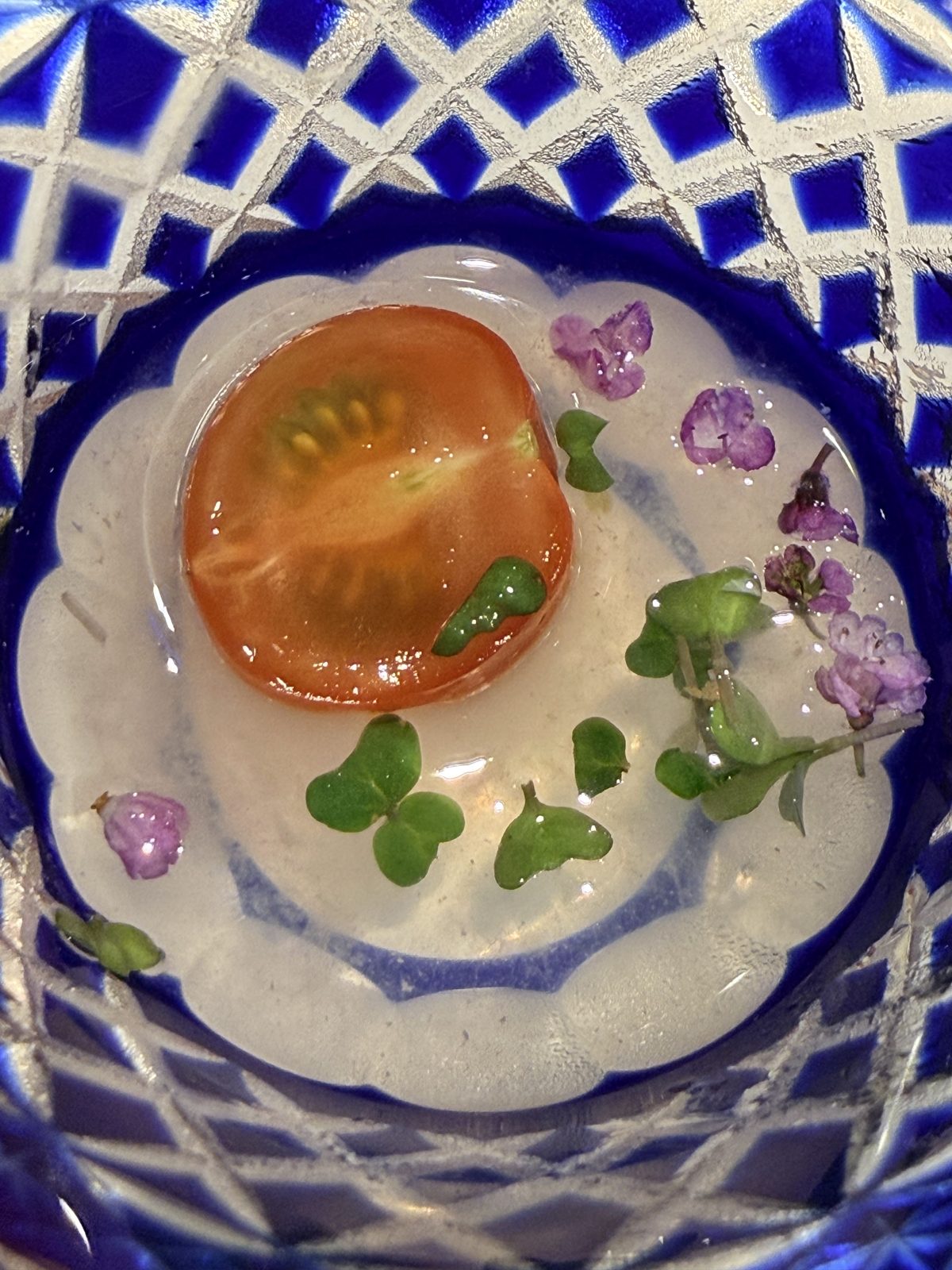
Tomato in dashi jelly with micro-greens in a cobalt kiriko glass

Tomato in dashi jelly

A whole peeled tomato set in dashi jelly, micro-greens, served in cut cobalt glass.

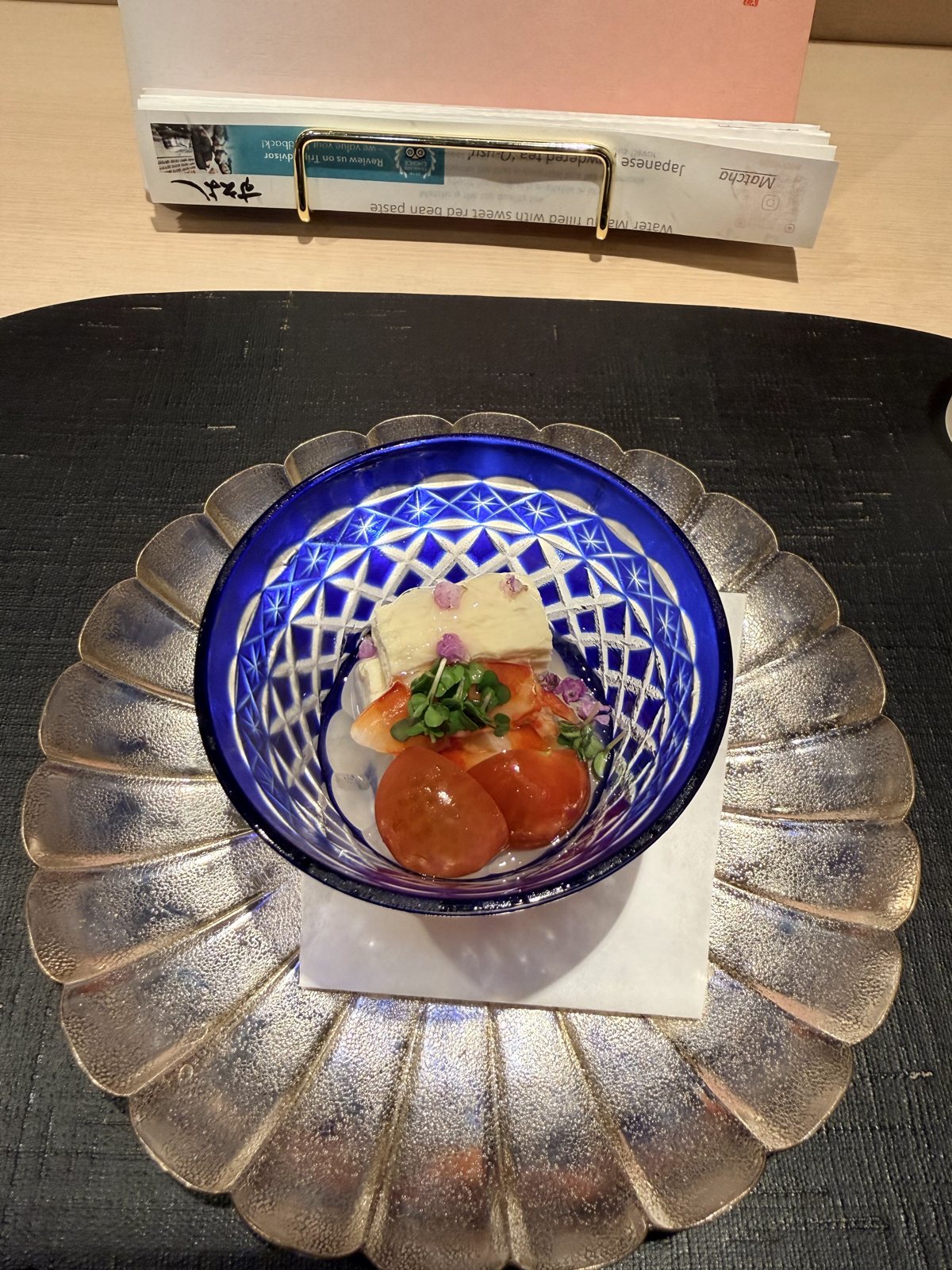
Tomato and tofu course in a blue kiriko glass on a silver petal plate

Tomato and tofu

Tomato and silken tofu in cold dashi, in kiriko glass on a silver chrysanthemum plate.

A lotus leaf covering a dish on a silver chrysanthemum plate

Lotus leaf course

A course hidden under a lotus leaf, a bead of water on top, unveiled at the counter.

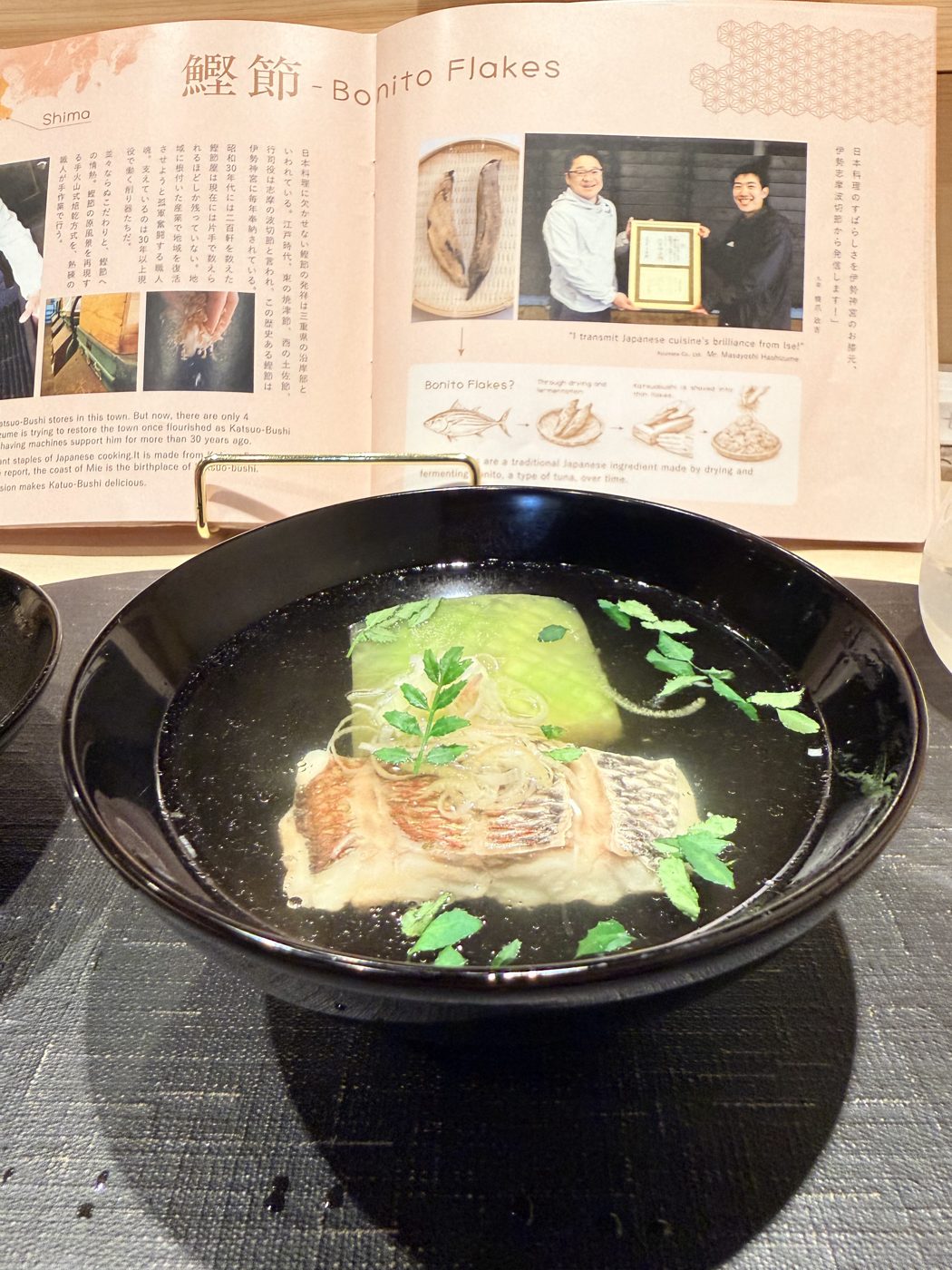
Sea bream and winter melon in clear dashi in a black lacquer bowl

Sea bream and winter melon

The wan: sea bream and winter melon in clear dashi, kinome on top, black lacquer.

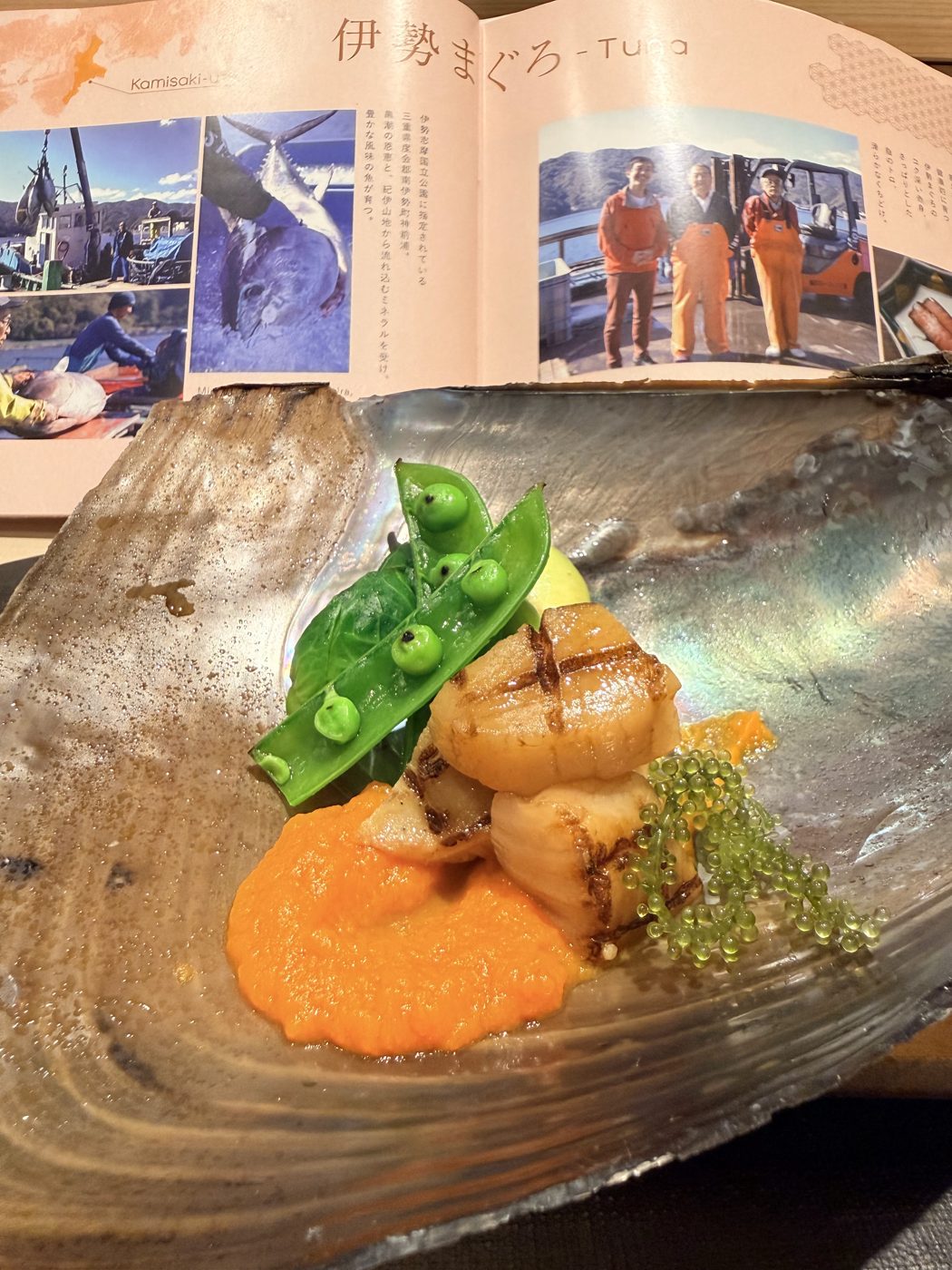
Seared scallops, snow peas, orange puree and sea grapes on an abalone shell

Scallop with sea grapes

Seared scallop, snow peas, carrot puree and sea grapes on an iridescent abalone shell.

Seared tuna slices with wasabi on a star-shaped Kutani plate

Ise tuna

Seared Ise tuna from Kamisaki-ura with fresh wasabi, on a star-shaped Kutani plate.

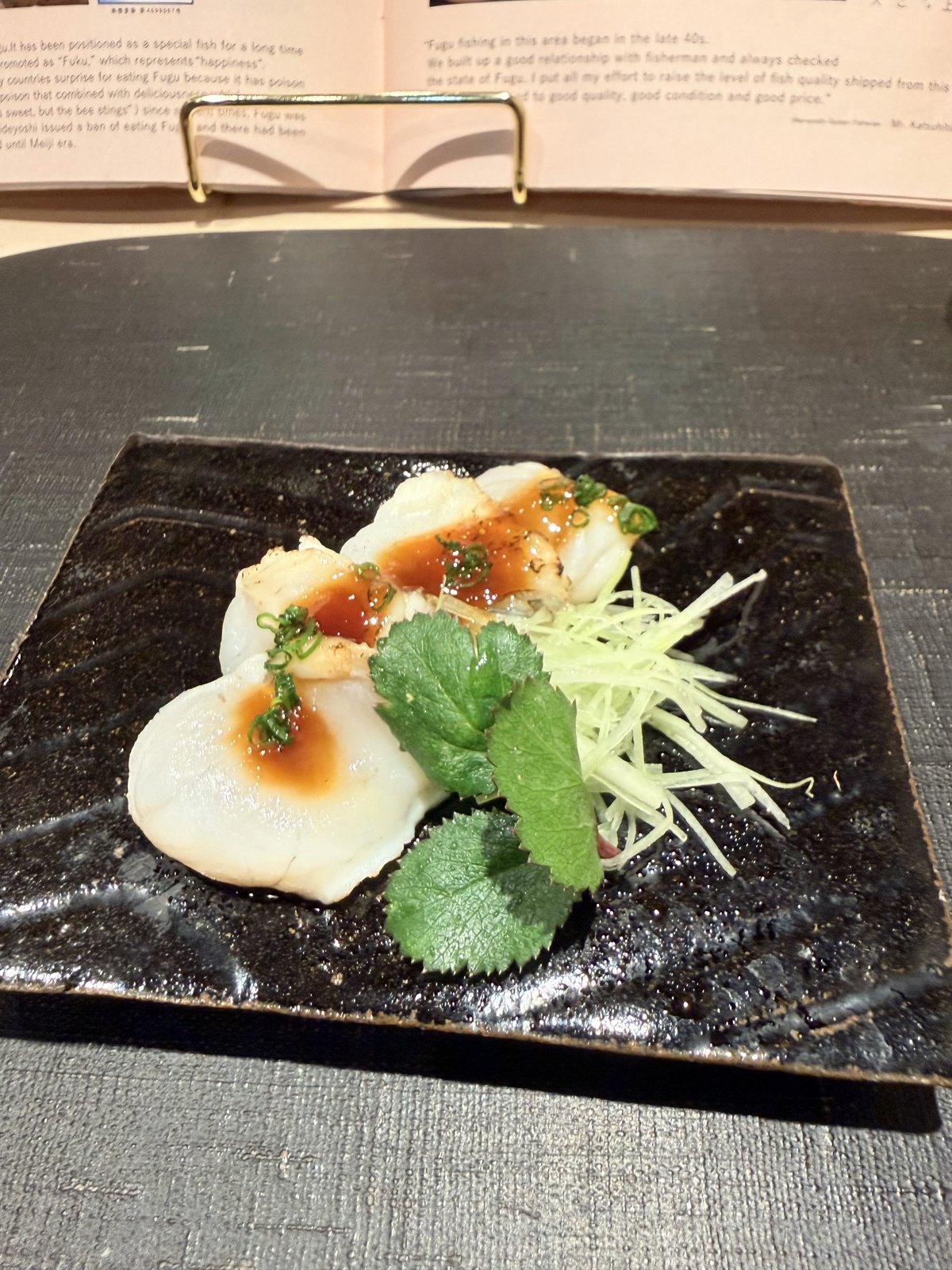
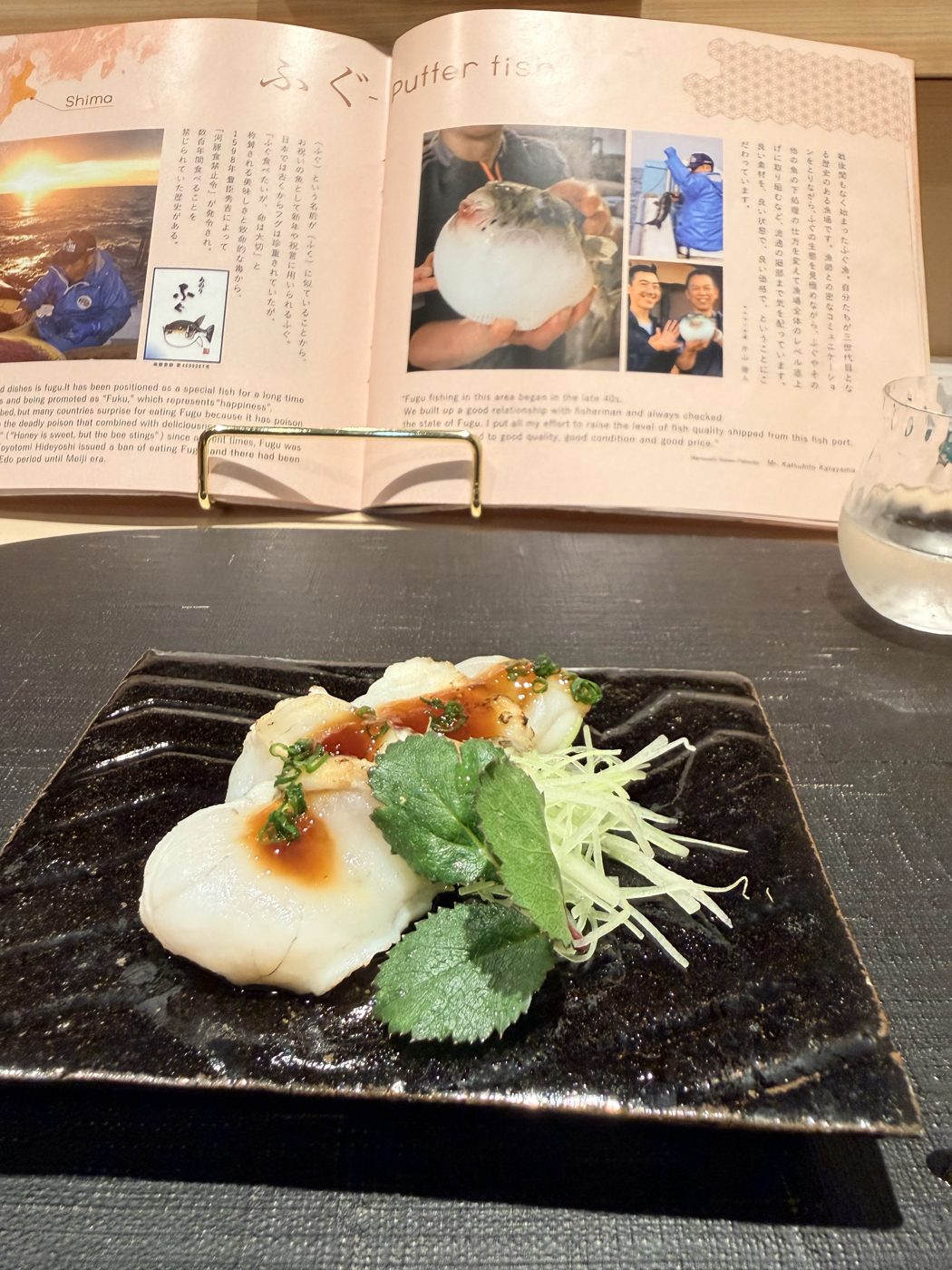
Fugu with ponzu, shiso and shredded daikon on a black plate

Fugu with ponzu

Grilled fugu with ponzu, shiso and a nest of shredded daikon.

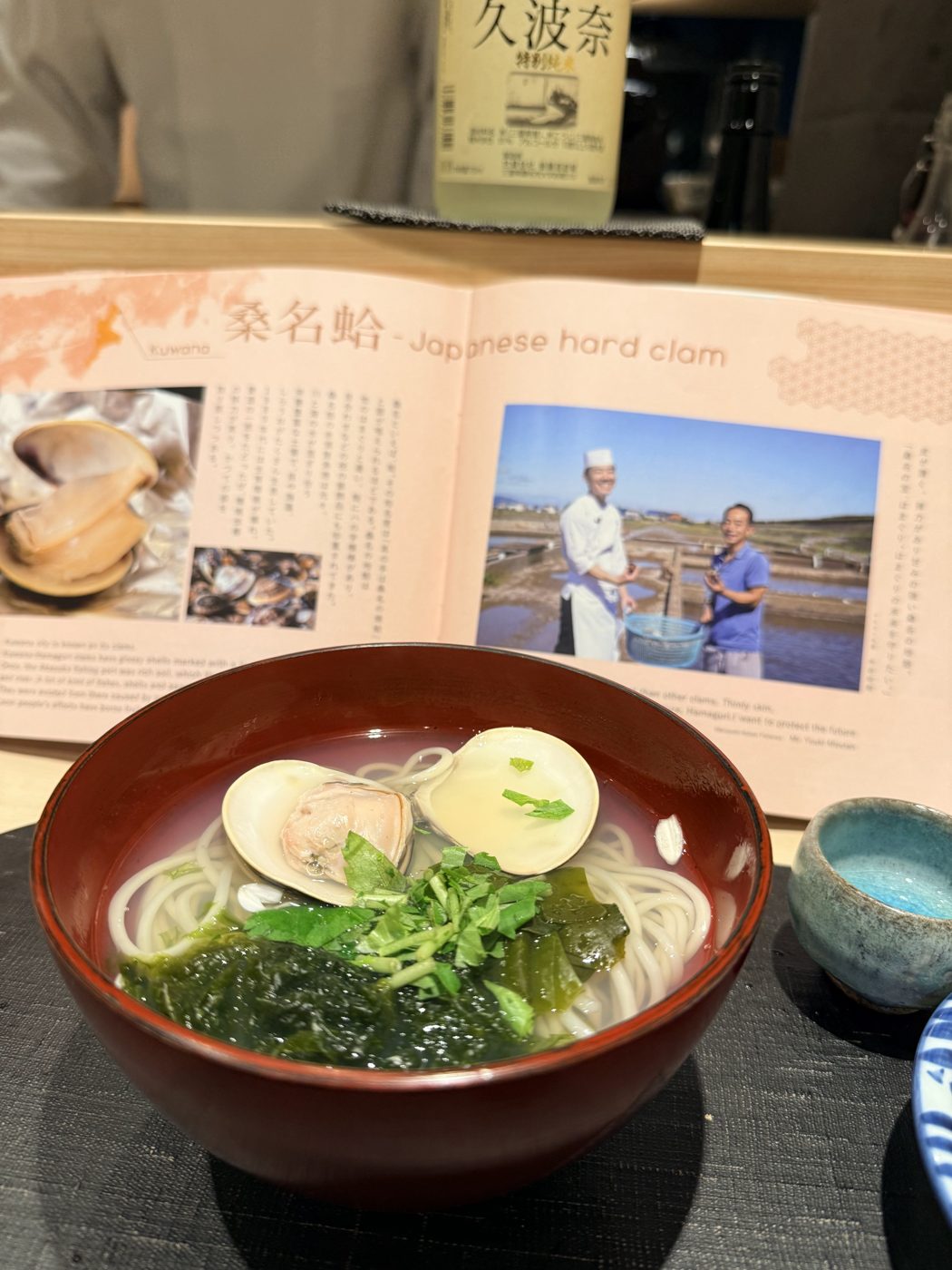
Hard-clam udon in a red lacquer bowl with wakame and herbs

Hamaguri udon

Kuwana hamaguri clams over udon in a red lacquer bowl, wakame and herbs.

Torched wagyu over turnip puree in an amber glazed bowl

Torched wagyu on turnip

Torched Iga wagyu over Yokkaichi turnip puree, black pepper pearls, amber glaze.

Spiny lobster leg and green tempura on a black tray

Spiny lobster tempura

Ise-ebi spiny lobster and green tempura on a black tray.

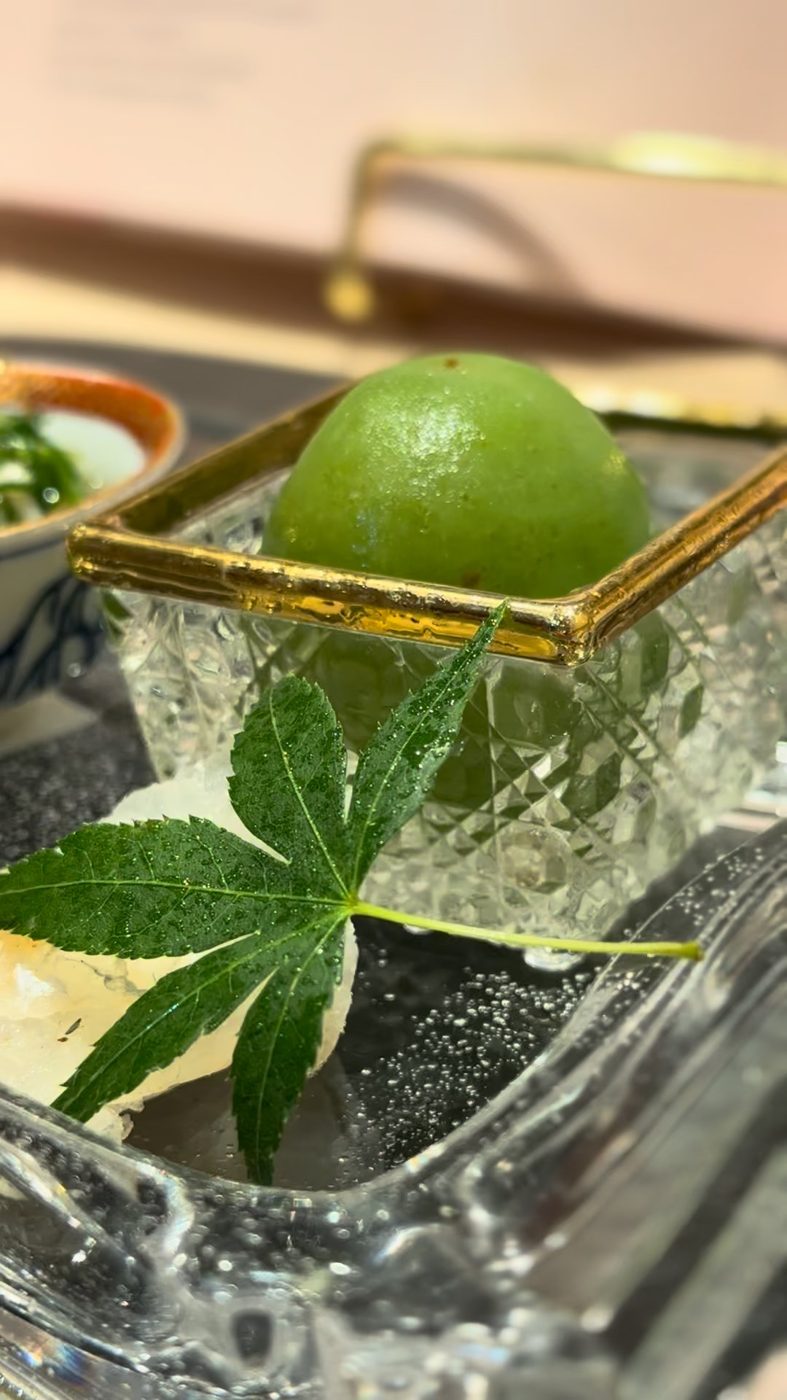
A green plum sphere in a gold-rimmed crystal cup on ice with a maple leaf

Green plum on ice

A whole green plum in syrup, served on ice in gold-rimmed crystal with a maple leaf.

Mizu-manju wrapped in bamboo leaf with a gilded spoon

Mizu-manju

Kan-mi: a clear water-jelly manju wrapped in bamboo leaf, with a gilded spoon.

Baked matcha custard and leaf-wrapped red bean mochi

Matcha custard

Baked matcha custard with a leaf-wrapped red-bean mochi, before the tea.

About Ise Sueyoshi

Ten seats

A reservation-only kappo counter in Nishi-Azabu, open since 2015; the chef explains every course in English at the counter.

Mie Prefecture

Born in Mie in 1988 to a chef father whose restaurant Sueyoshi opened in Yokkaichi in 1983, Chef Tanaka trained at Kikunoi and cooked his way around the world; everything on the menu comes from Mie and he visits the producers himself.

No. 1 in Japan

Tripadvisor Travelers' Choice Best of the Best: No. 1 restaurant in Japan 2024, No. 2 in the world 2023. The omakase changes monthly and has its own vegan and gluten-free versions.

More of where I trained